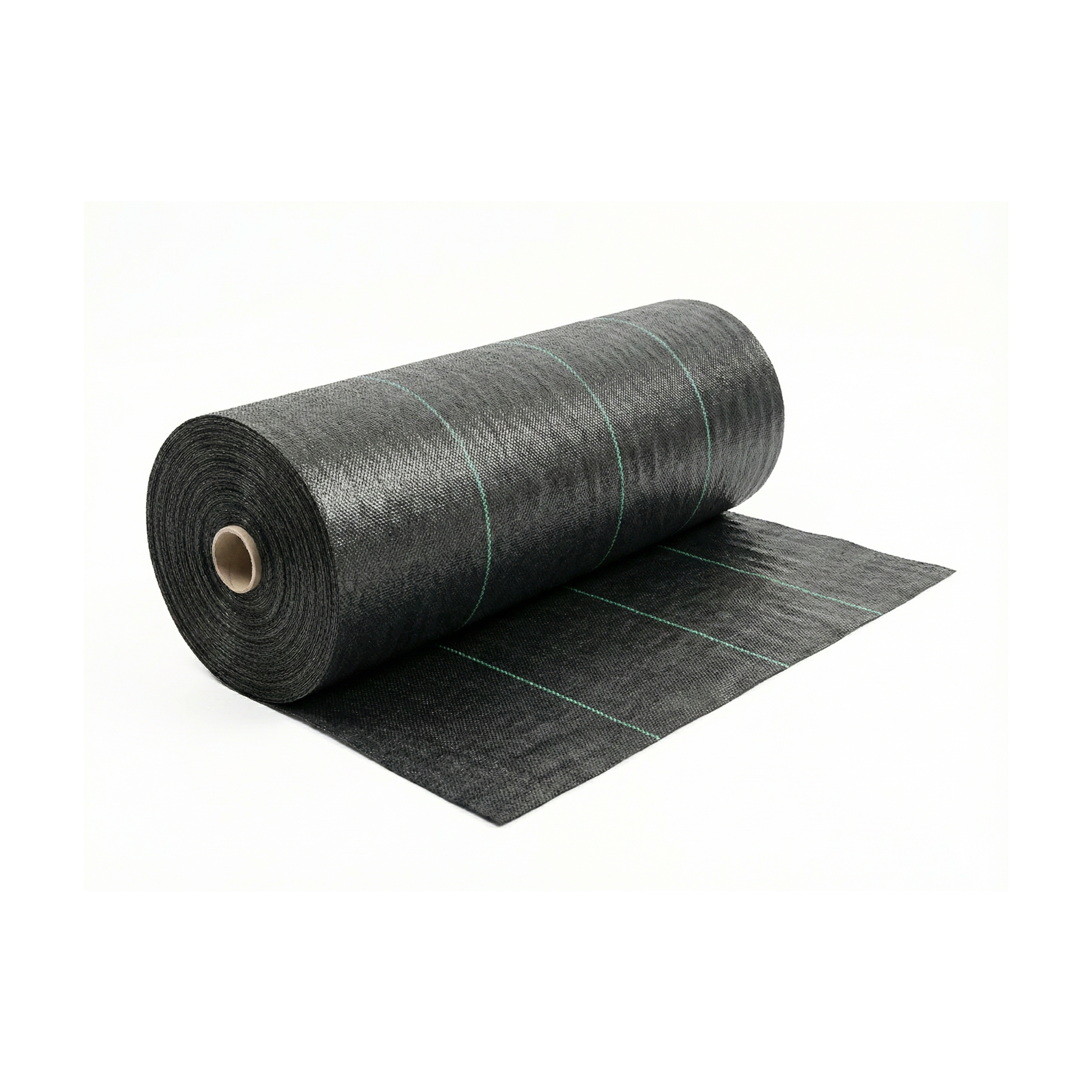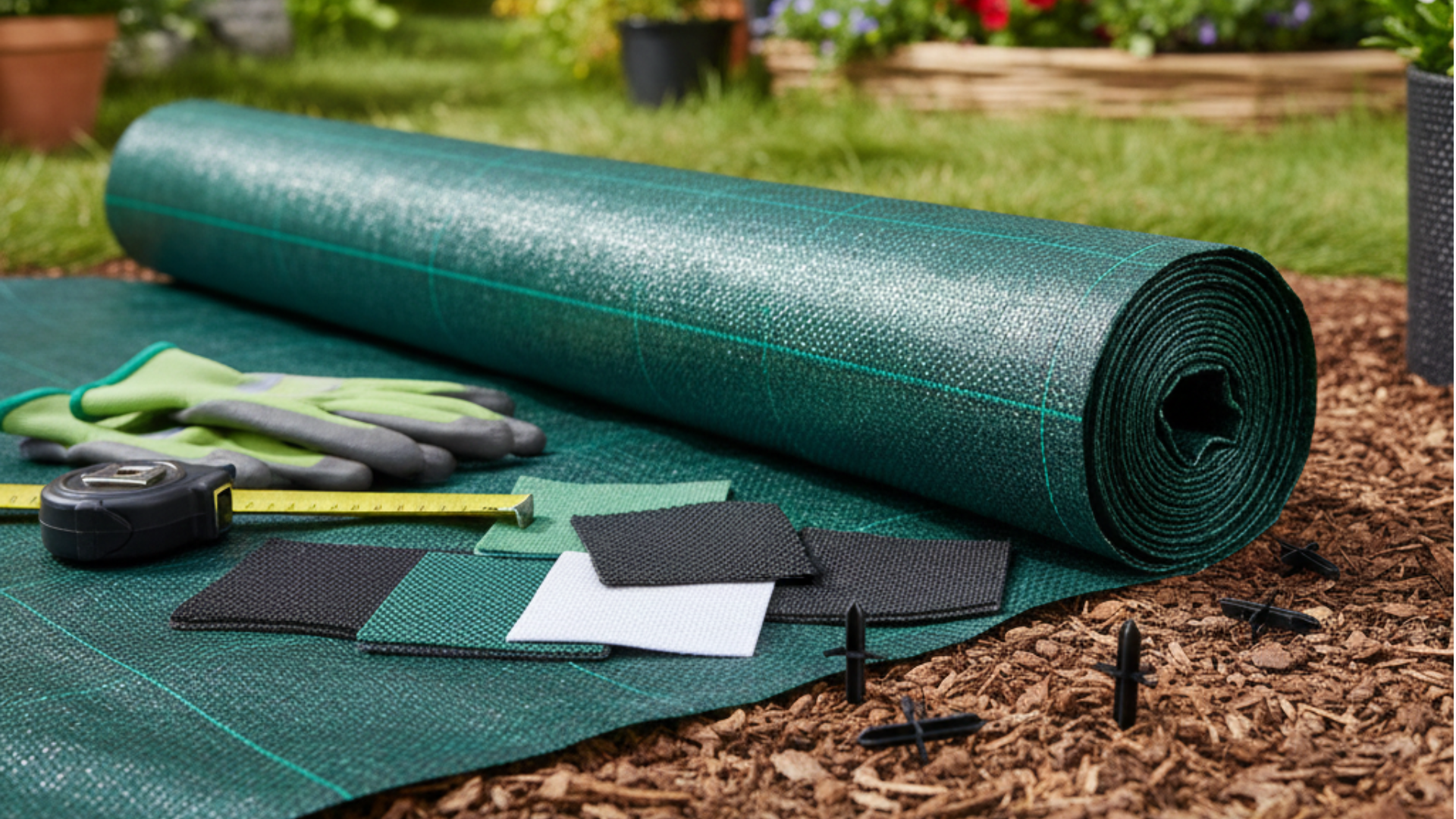
In the Dominican Republic, the warm, humid climate allows weeds to thrive year-round. That's why weed barrier fabric (also known as ground cover) has become an essential tool for keeping gardens, orchards, and outdoor areas tidy without the constant use of herbicides. In this article, we explain what it is, what it's used for, and how to choose the right one for your tropical needs.
What is weed barrier fabric?
Weed barrier fabric is a woven polypropylene or polyester material placed on the soil to prevent weed growth while still allowing water and air to pass through. Its structure prevents sunlight from reaching weed seeds, slowing their development without harming desired plants.
- Permeable: allows rainwater to pass through, preventing puddles from forming.
- Durable: withstands UV radiation and saline humidity of coastal areas of the Dominican Republic.
- Ecological: reduces the use of chemicals and makes garden maintenance easier.
Benefits of using weed barrier fabric in the Dominican Republic
Using ground cover netting is especially advantageous in our tropical climate. Here are some reasons why it's a good idea to install it:
- It reduces the appearance of invasive weeds that compete for nutrients.
- Reduces the time and effort required for maintenance in green areas.
- It helps to retain soil moisture during dry seasons.
- It prevents soil deterioration due to excessive rainfall during hurricane season.
- Ideal for decorative gardens, vegetable gardens and gravel paths.
How to choose the right weed barrier fabric
When selecting a weed barrier fabric for your garden or project, consider the following factors:
1. Density or weight
The higher the weight (g/m²), the more resistant the mesh will be. For home gardens, meshes of 90–100 g/m² are sufficient, while in crops or areas with moderate traffic, it is advisable to use 120–150 g/m².
2. Permeability and UV protection
In the Dominican Republic, solar radiation and constant humidity can deteriorate low-quality materials. Make sure the mesh has UV treatment and good permeability to prevent waterlogging and mold.
3. Color and aesthetics
Black is the most common because of its ability to block light, but there are green or brown options that blend better into the natural environment or ornamental areas.
4. Correct installation
For a long-lasting installation, remove weeds before laying the mesh, secure it with staples or pegs, and cover the edges with gravel, bark, or decorative stones.
If you're looking for a durable option adapted to the Caribbean climate, check out our product: Dodom Weed Barrier Fabric .
Expert tip: In very humid areas or areas prone to torrential rain, install the mesh with a slight incline to promote natural water drainage.
Common mistake: Placing the mesh directly on live grass or without leveling the ground. This reduces its effectiveness and can cause pockets of moisture.
Tip RD: In areas near the sea, choose nets with UV reinforcement and heat-sealed edges, which are more resistant to salt spray and coastal humidity.
CTA
Discover our gardening collection and find more products designed for the Dominican Republic's tropical climate. You can also read more in Dodom's Tips for keeping your garden looking its best all year round.
FAQ
How long does weed barrier fabric last? In tropical conditions and with proper maintenance, it can last from 3 to 7 years depending on its weight and sun exposure.
Can you plant on top of the mesh? Yes. Just make cross-shaped cuts where you want to plant and cover with mulch or gravel.
Does it require maintenance? Just check that leaves or soil do not accumulate on the surface, to maintain permeability and effectiveness.
[/CONTENT-HTML]