

This guide covers sowing Paspalum grass seed: ground preparation, calculating the rate, even sowing, light covering with compaction, and watering with constant moisture maintenance. Follow these steps to establish a Paspalum lawn from seed with the correct rate and moisture, until the lawn covers the area evenly.
Product specifications
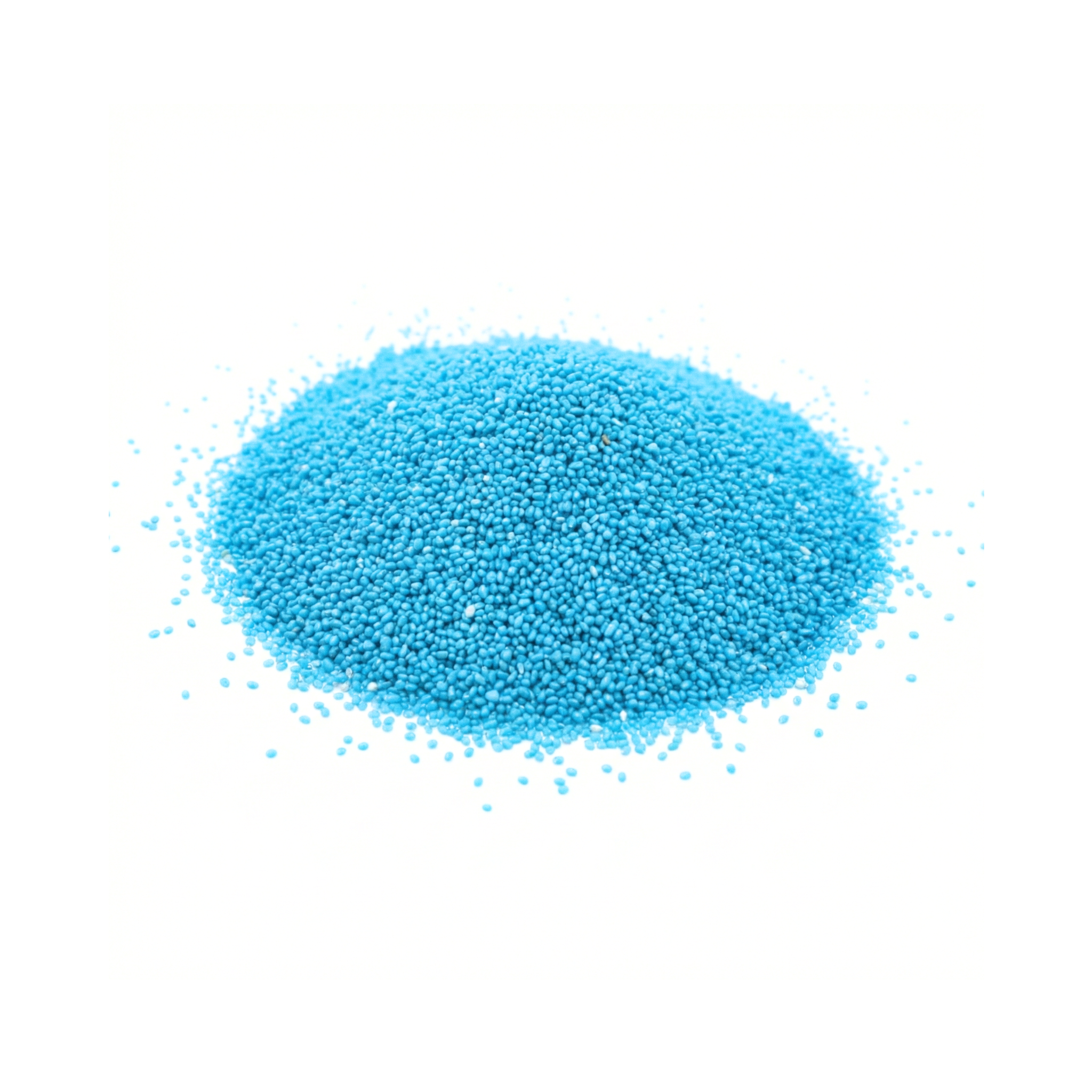
Paspalum vaginatum is a warm-season grass native to tropical coastal areas, known for its tolerance to salinity, extreme heat, and poor soils. Our seed is processed hull-free and coated with a natural nutrient and fungicide that dramatically improves the germination rate. The 22.7 kg (50 lb) bag covers approximately 700-1000 m² at a professional rate.
| Specification | 22.7 kg bag |
|---|---|
| SKU | 768953 |
| Species | Paspalum vaginatum |
| Treatment | Hull-free, coated |
| Bag | 22.7 kg (50 lb) |
| Coverage | 700-1000 m² |
| Application | Coastal, saline, sports turf |
Step by step for sowing
Good sowing begins three weeks earlier with ground preparation. Skipping preliminary steps causes uneven germination and a lawn with bare patches that take years to close up.
Prepare the ground
Remove existing vegetation, debris, and stones. Till the top 15-20 cm (6-8 in) with a rotary tiller or subsoiler. Level with a garden rake until the surface is smooth. On compacted or clay soils, incorporate a coconut fiber substrate to improve drainage and aeration. Water 24-48 hours before sowing.
Calculate the rate
The sowing rate for coated Paspalum is 25-35 g/m² (5-7 oz per 100 sq ft). Use 25 g/m² in optimal conditions (well-prepared ground, abundant watering) and 35 g/m² in more demanding conditions (poor substrate, limited watering). Weigh the bag before starting and prepare by zone according to the area to be sown.
Sow evenly
Use a manual rotary spreader for surfaces over 200 m²; sow by hand with cross spreading for smaller surfaces. Cross technique: divide the total rate into two halves and sow the first in one direction, the second in a perpendicular direction. This compensates for distribution irregularities.
Cover lightly and compact
Pass the rake very gently so the seeds are covered with 3-5 mm (0.1-0.2 in) of soil. Do not bury them deeper: the deeper they go, the less they germinate. Then pass a light roller (or step carefully) to settle the contact between seed and soil. Contact is what activates germination.
Water and keep moisture constant
Water gently with a diffuser (not a strong jet that washes the seeds away) immediately after sowing. During the first 2-3 weeks keep the soil permanently moist: water 2-3 times a day for 5-10 minutes each time. Germination of coated Paspalum begins at 7-14 days. From then on, progressively space out the watering.
Paspalum is the species of choice for Dominican coastal areas with saline soil or irrigation with groundwater of a certain salinity. It tolerates up to 35,000 ppm of salinity without dying, where other grasses (bermuda, zoysia) suffer. If your project is near the sea or the irrigation water is somewhat brackish, Paspalum is the right answer and other species will cause problems within a few months.
Do not sow deeper than 5 mm (0.2 in). It is the mistake that ruins the most germinations. The coated seed is small and needs filtered light to germinate; buried at 1-2 cm it gets trapped and does not emerge. Better to pass the rake very lightly and accept that some seeds remain on the surface (low loss) than to bury everything and lose germination massively.
Complementary products
A successful Paspalum sowing relies on these products during preparation and the first months of establishment:
The coconut fiber substrate improves the structure of the ground before sowing: aeration, water retention, and organic matter that the roots take advantage of. The coconut biomat is the ideal cover for sloped embankments: it keeps the seeds in place and conserves moisture until the roots anchor the soil. The Bermuda grass seed is the alternative for non-coastal areas: compare them if your project is far from the sea or has no salinity problems.
Maintenance and care
Paspalum lawn requires specific maintenance to stay dense and healthy:
- Seed storage: store it in a cool, dry, dark place until sowing time. The ideal temperature is between 10-20 °C. Once the bag is open, use it within a few months.
- First mowing: when the lawn reaches 6-8 cm (2.5-3 in), cut to 4-5 cm (1.5-2 in) with a well-sharpened mower. The first mowing is always high so as not to stress the seedlings.
- Adult watering: once established (3-4 months), Paspalum tolerates drought periods of up to 2 weeks well. Water 2-3 times a week with deep watering rather than several shallow waterings.
- Fertilization: apply NPK 15-15-15 fertilizer every 2-3 months during the growing season (heat from May to October). Halve it in cold months.
- Annual aeration: once a year (at the start of the hot season) carry out aeration with a hollow tine aerator to decompact and allow water and nutrients to penetrate deeply.
Frequently asked questions
What is the optimal time to sow?
In the Dominican climate, the best time is from March to early June (before the intense rainy season) and September-October (after the rain peak). Optimal soil temperature: 22-30 °C. Sowing in midsummer (July-August) requires intensive watering; in cool winter (December-January) germination is slow.
Why does it come coated and not natural seed?
The coating is a layer of clay or porous material that wraps each seed with a nutritious mix, a fungal protectant, and sometimes a dye for better visibility. The advantages: more weight (better distribution when sowing and resistance to wind), higher initial germination, protection against soil pathologies. Coated seed germinates at around 80-90 % vs 60-70 % for natural seed under the same conditions.
What do I do if germination is uneven?
If after 14 days there are areas with good germination and areas with bare patches, identify the cause: lack of watering in the bare areas (very likely), excessive burial (scratch and check the depth), compacted soil (local rotary tilling and reseeding). Reseed the bare areas with the rate increased by 50 % and protect with a biomat or straw until the new germination closes the lawn.
