

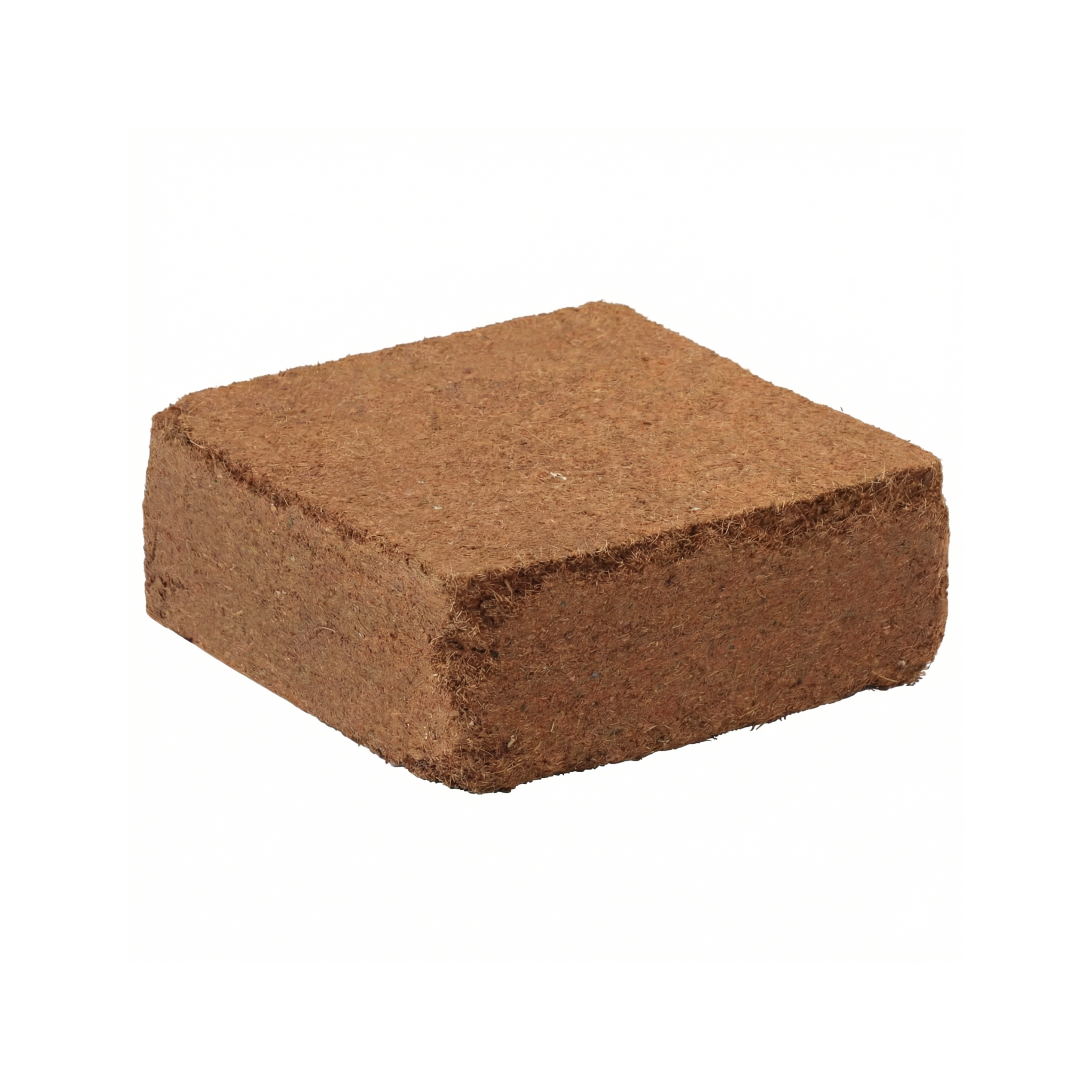
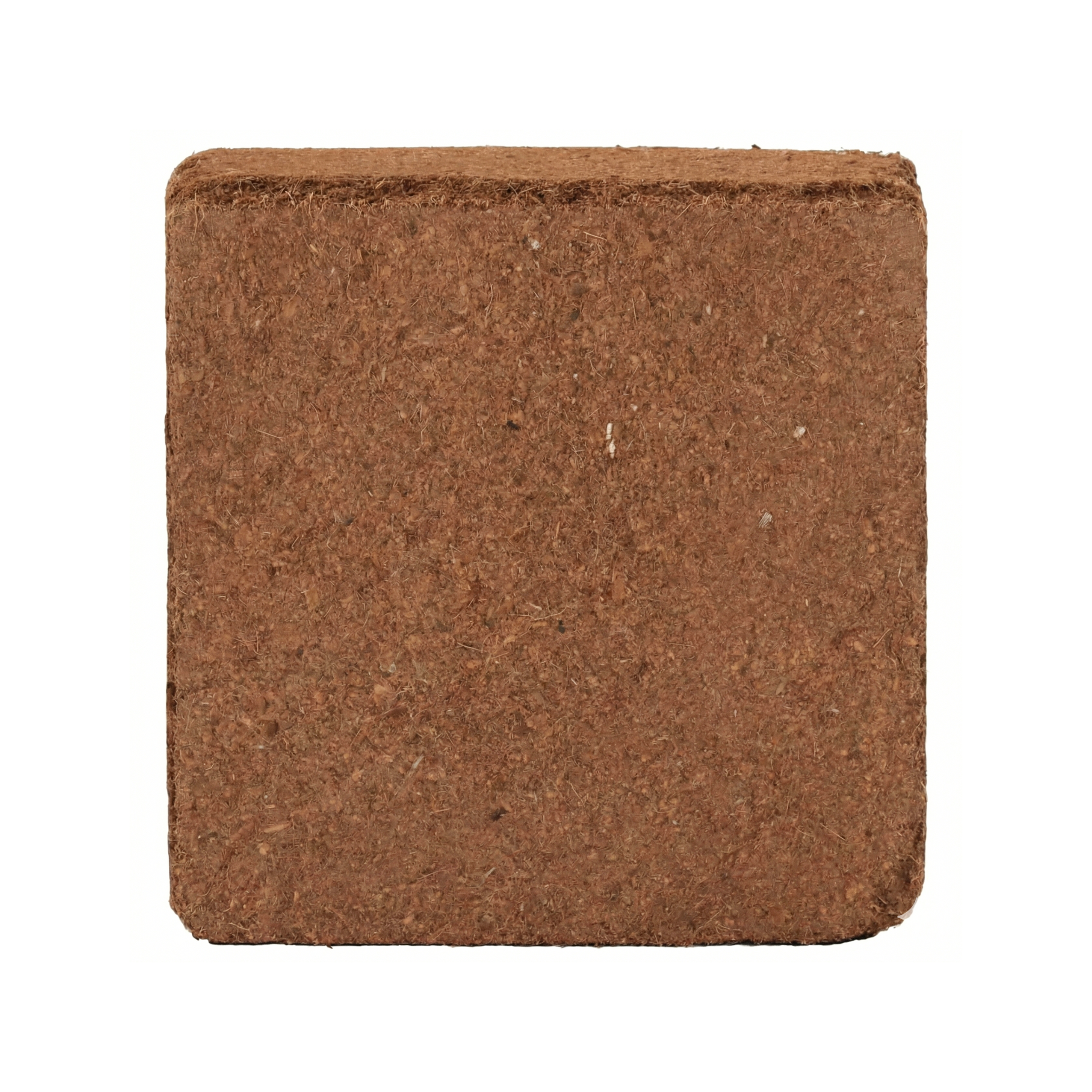
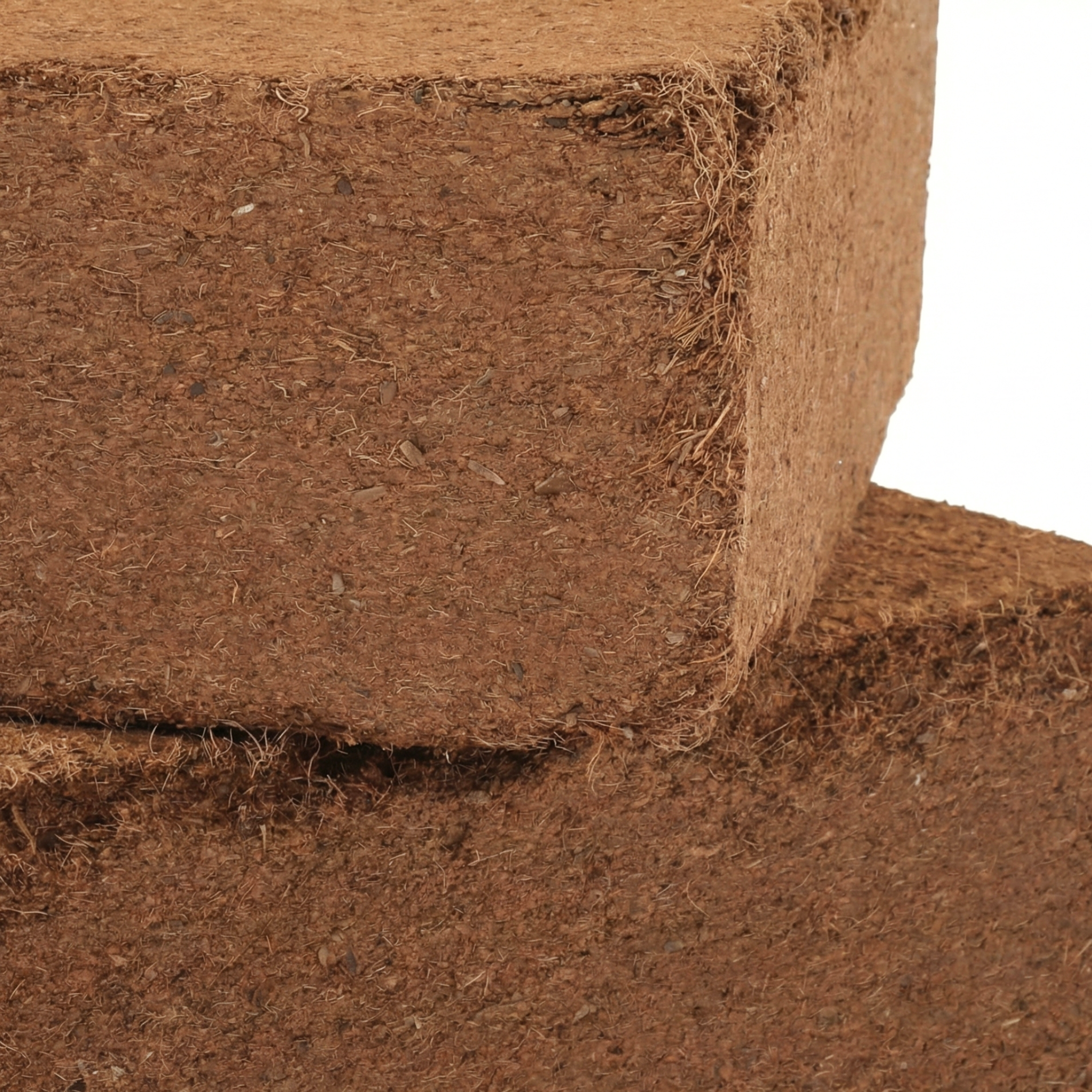
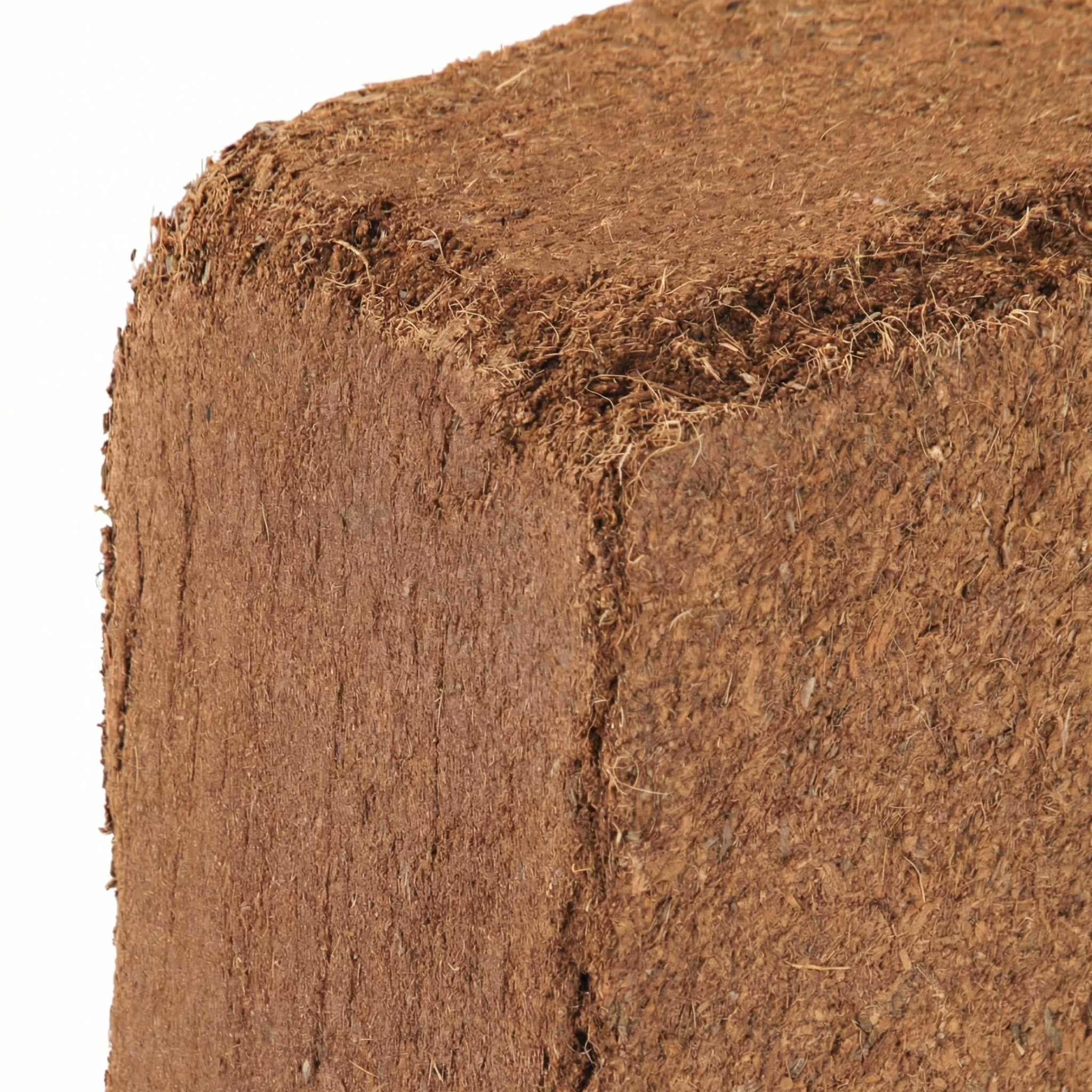
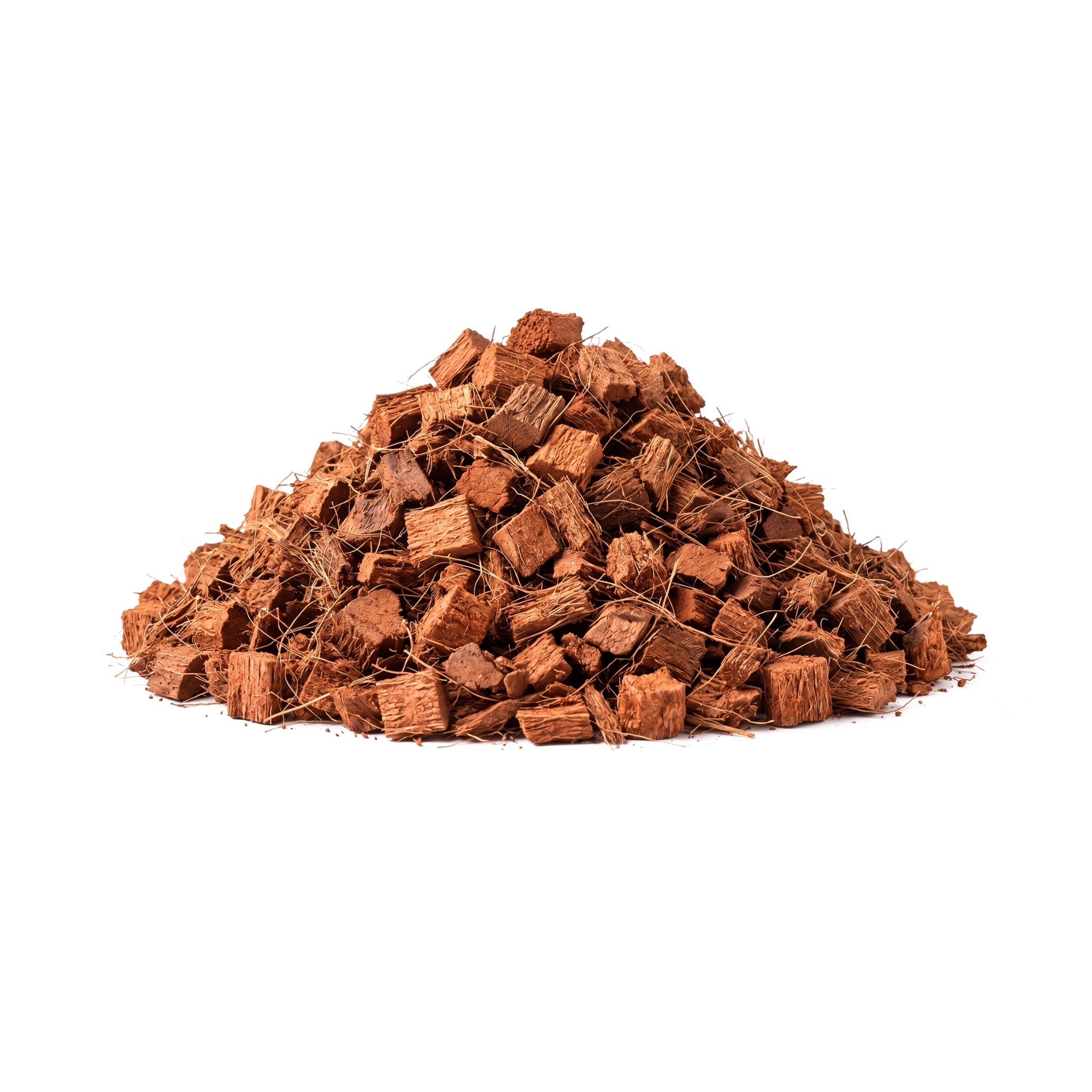
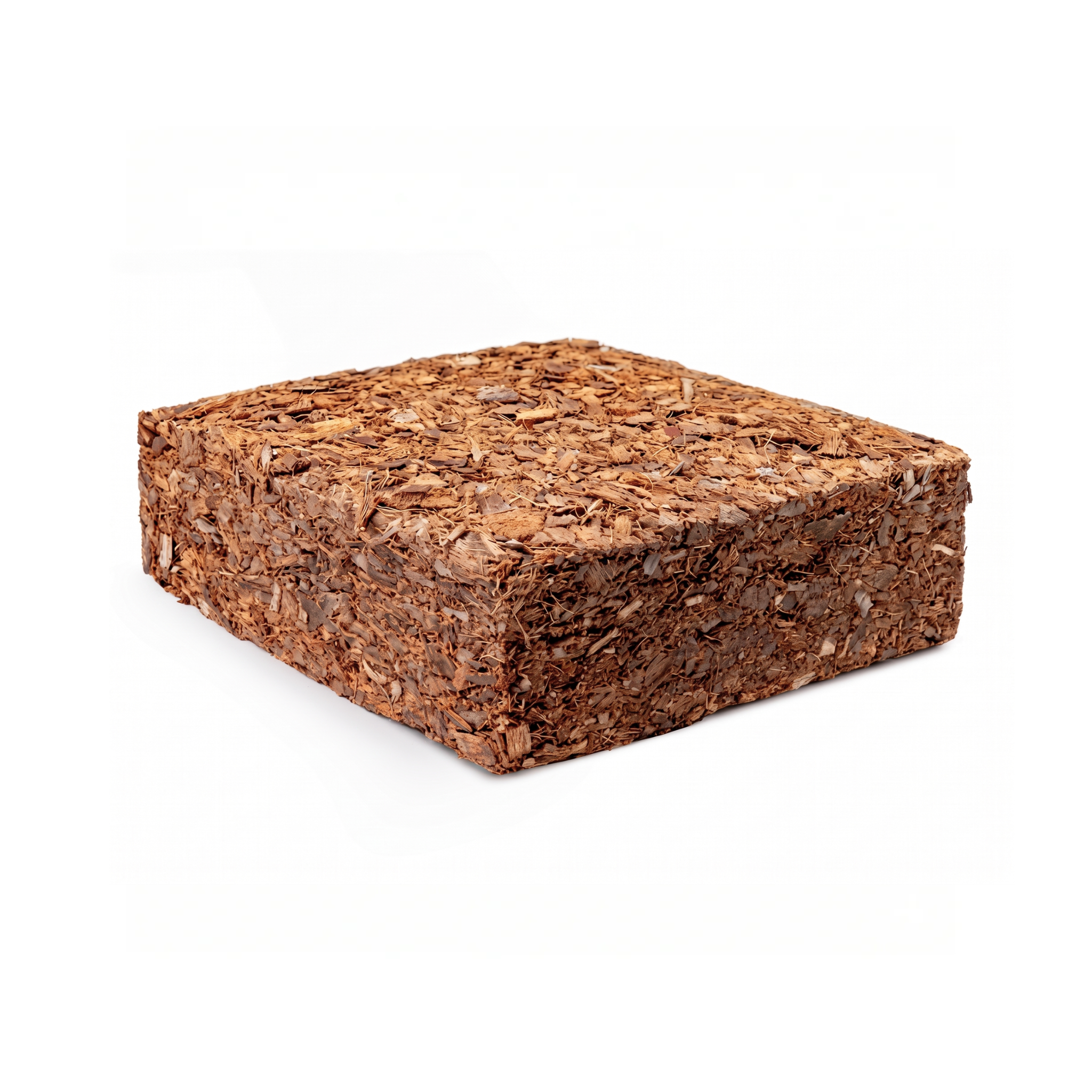
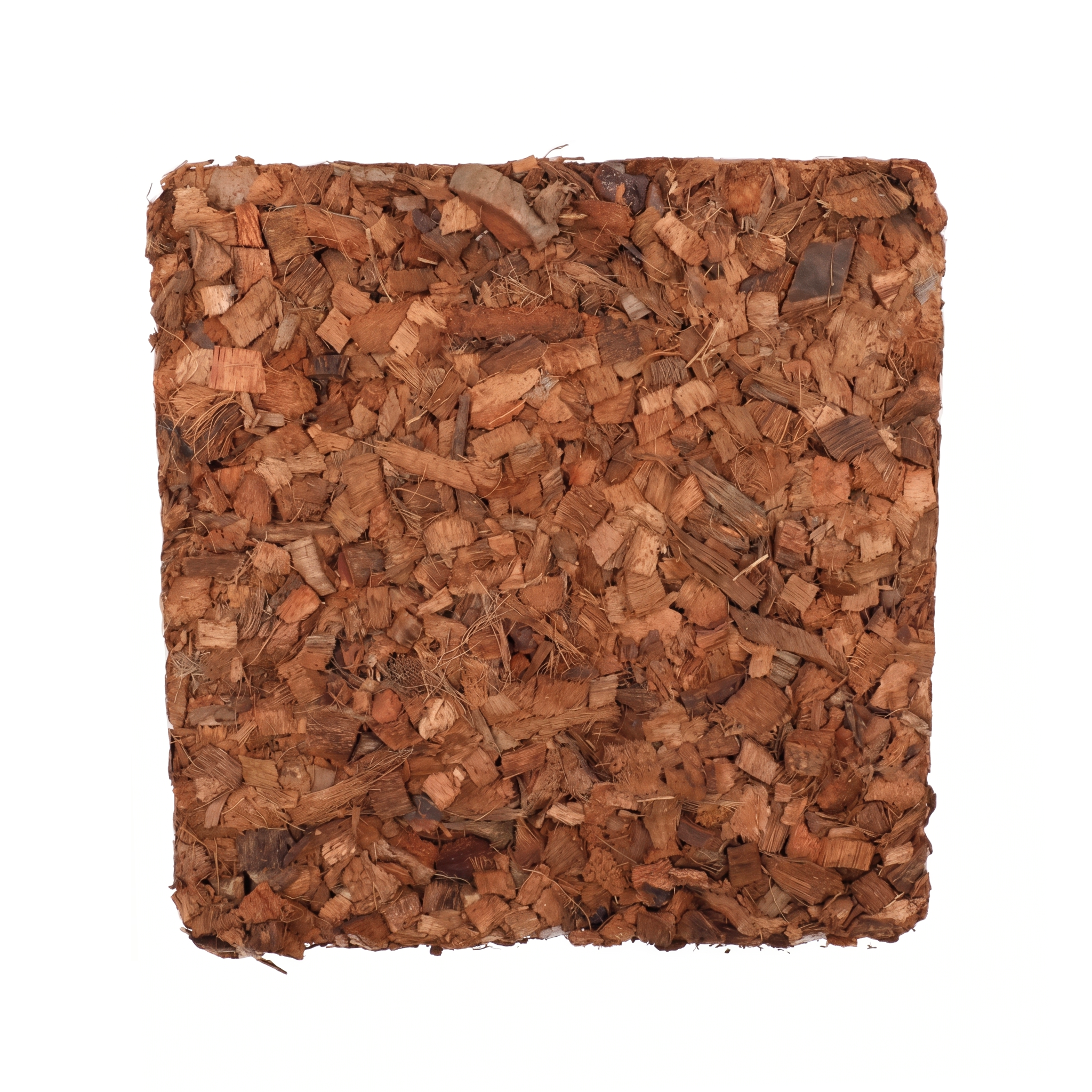


Growing plants, seedlings, or hydroponic operations in a Caribbean climate demands a substrate that retains moisture without compacting and resists the rapid decomposition of tropical weather. This coconut fiber substrate—also called coco coir, coconut dust, or coconut soil—is supplied by Gardese in dehydrated compressed blocks, in two grades (fine Pith 0-6 mm and coarse Chips 12-18 mm), designed for professional nurseries, hydroponics, seedbeds, residential gardening, and premium substrate mixes.
Key benefits
- Superior moisture retention: coconut fiber retains several times its weight in water without losing structure, which reduces irrigation frequency and maintains consistent moisture at the roots.
- Optimal root aeration: the porous structure prevents the waterlogging and compaction that peats suffer over time, keeping oxygen available for root development.
- Neutral to slightly acidic pH: the natural range facilitates nutrient absorption in most crops without requiring chemical correction.
- Inert and clean substrate: free of pathogens, weed seeds, and pests, which prevents cross-contamination in professional seedbeds and commercial plant production.
- Natural biological control: coco coir acts as a barrier against plant pathogenic fungi, reducing the incidence of damping-off and root diseases in seedbeds.
- Sustainable Gardese origin: a product derived from coconut husks, a renewable resource and agricultural byproduct, which sets a serious environmental alternative apart from peats extracted from bogs.
Applications and typical uses
- Seedbeds and professional germination in nurseries, where a sterile and humid environment is critical for uniform germination.
- Hydroponic crops: the Chips version works as an inert medium for drip irrigation and NFT systems.
- Substrate mixes for pots, planters, and urban gardens combined with humus, compost, or topsoil.
- Mulching or organic ground cover in gardens: the Chips version works as a biodegradable alternative to perlite and vermiculite to improve aeration in large pots.
- Beds and bedding for reptile and amphibian terrariums due to its hygroscopic capacity and structural stability.
Quality and durability
An inexpensive coconut fiber fails at two points: the block may carry residual salts from the extraction process (which damages sensitive crops if not rinsed) and the dust particle size is irregular (which causes premature compaction). Gardese works with blocks from controlled sources, washed to lower salt content, with humidity stabilized at the factory and granulometric separation between Pith and Chips, which sets a professional cultivation fiber apart from a generic bag that can ruin an entire seedbed through excess salinity.
Does it provide nutrients to the plant, or do I still need to fertilize?
What's the difference vs. peat moss or traditional peat?
Does coconut fiber carry residual salts that can damage sensitive crops?
Still have questions?
Ask us and we will gladly help you with whatever you need.
| Material and construction | |
|---|---|
| Composition | 100% natural coconut fiber |
| Color | Natural brown |
| Dimensions and format | |
| Block weight | 5 kg (11 lb) ± 3% |
| Block size | 30 × 30 × 15 cm (11.8 × 11.8 × 5.9 in) |
| Physicochemical properties | |
| Electrical conductivity (EC) | < 0.50 mS/cm |
| Expansion per hydrated block | 80 - 85 L (21.1 - 22.5 gal) |
| Particle size | Pith 0 - 6 mm (0 - 0.24 in) |
| Moisture | < 15% |
| pH | 5.5 - 6.5 |
| Presentation and packaging | |
| Presentation | Bag of 5 pressed blocks [25 kg (55 lb) total] |
| Bag: Width | 30.0 cm (11.81 in) |
|---|---|
| Bag: Height | 30.0 cm (11.81 in) |
| Bag: Depth | 50.0 cm (19.69 in) |
| Bag: Weight | 25.0 kg |
Official GARDESE warranty
What's covered
Confirmed defect: replacement or refund of the amount paid.
What's not covered
Pago & Seguridad

