
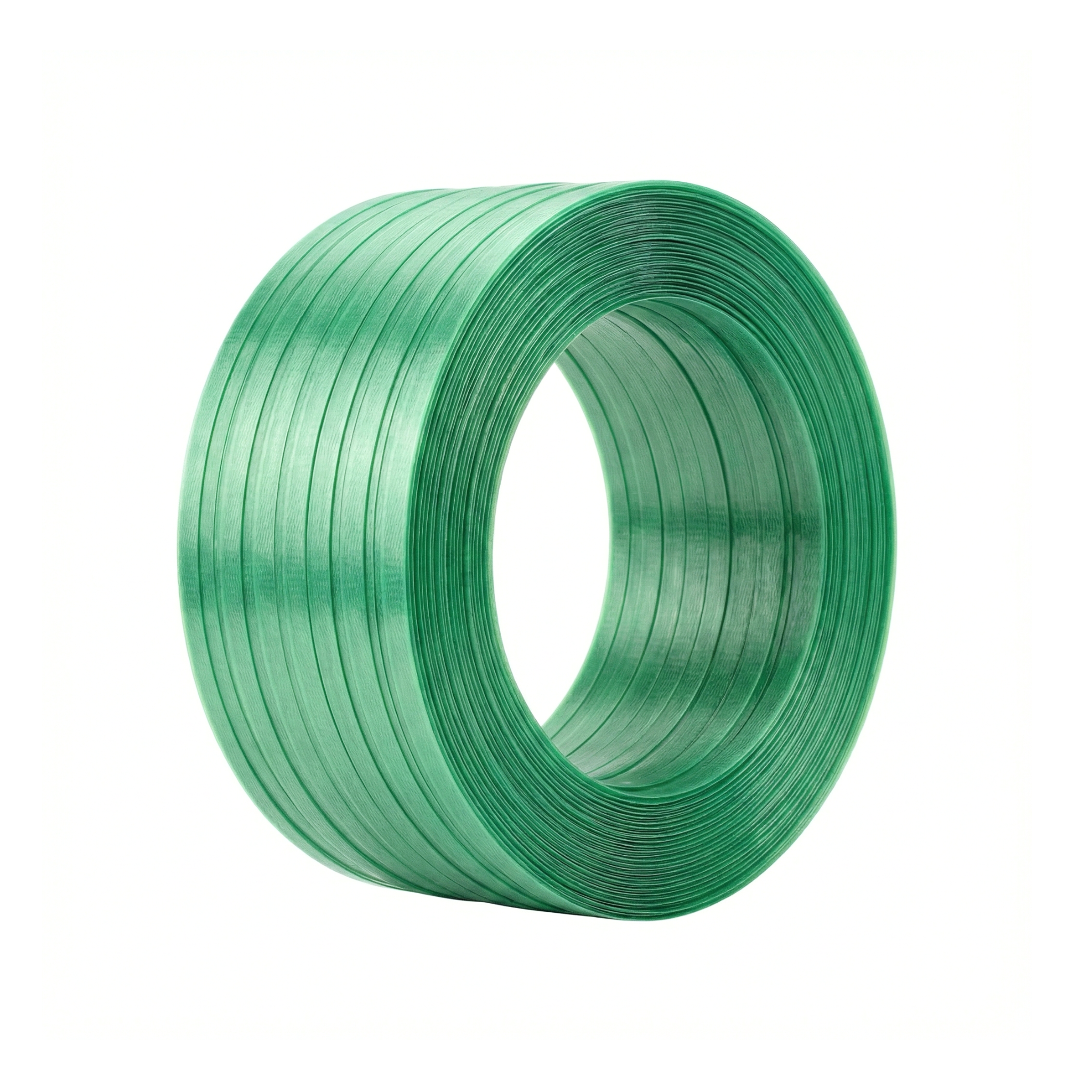
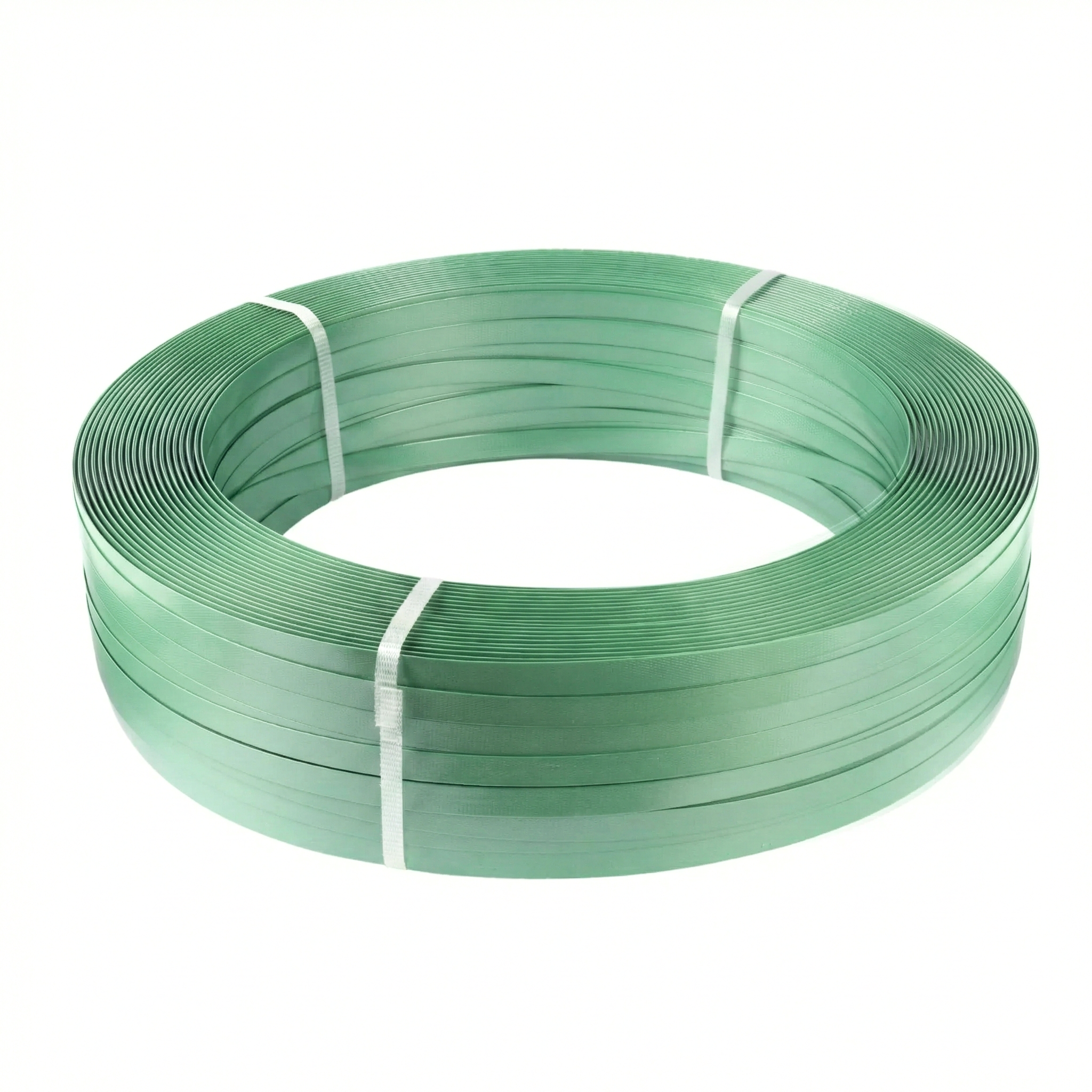


Securing heavy palletized loads with the strength of steel but without its operational risks calls for strapping that holds tension throughout the journey, absorbs transport vibration, and does not rust-stain the goods. This polyester (PET) strapping—also called PET strapping or polyester strapping—is manufactured from industrial-grade virgin polyester, available in widths of 12, 16, 19, and 25 mm, and is the modern standard for replacing steel strapping in construction, agribusiness, and heavy export.
Key Benefits
- Strength comparable to steel: PET maintains break strengths high enough to secure loads of bricks, blocks, solid lumber, profiles, and dense pallets without stepping up to metal.
- Controlled elastic memory: unlike steel, PET absorbs minor impacts and transport vibration without losing initial tension, preventing the typical loosening that metal suffers after several hours on the road.
- Resistance to weather and the Caribbean sun: it does not rust, does not stain the goods, and withstands exposure to humidity, rain, and solar radiation without accelerated degradation, allowing pallets to be stored outdoors.
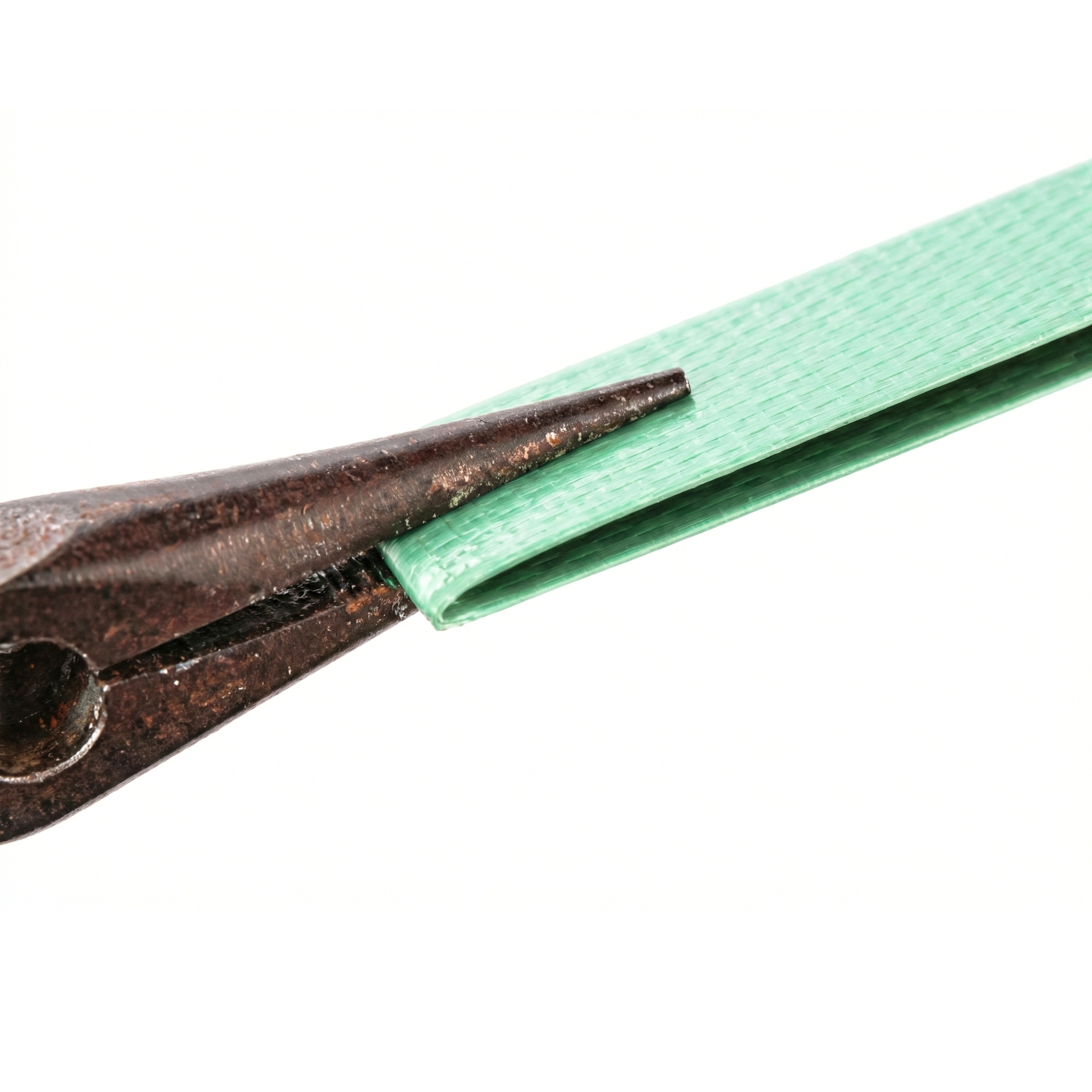
- Operational safety: no sharp edges and no dangerous whiplash when cut, drastically reducing the risk of accidents compared to steel strapping.
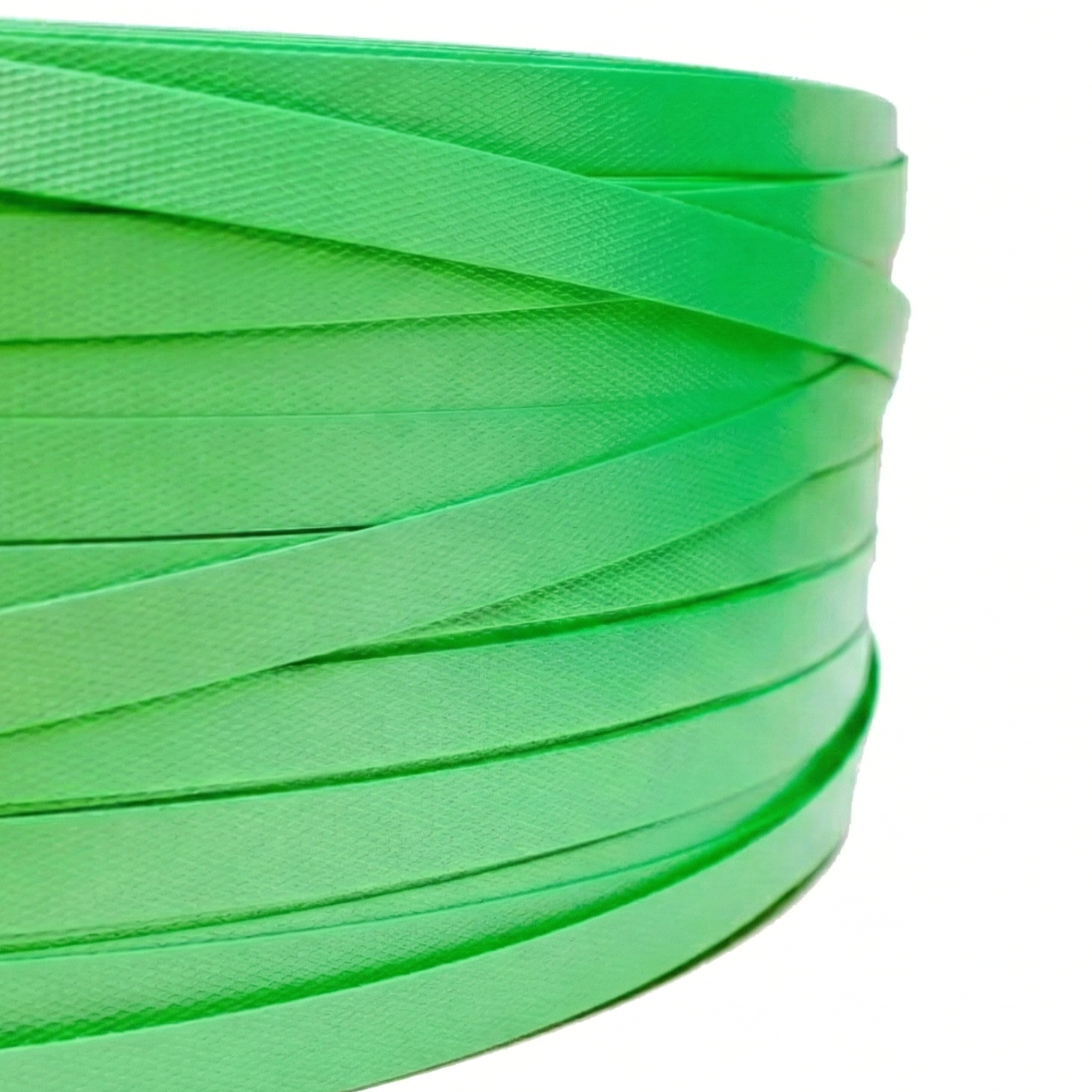
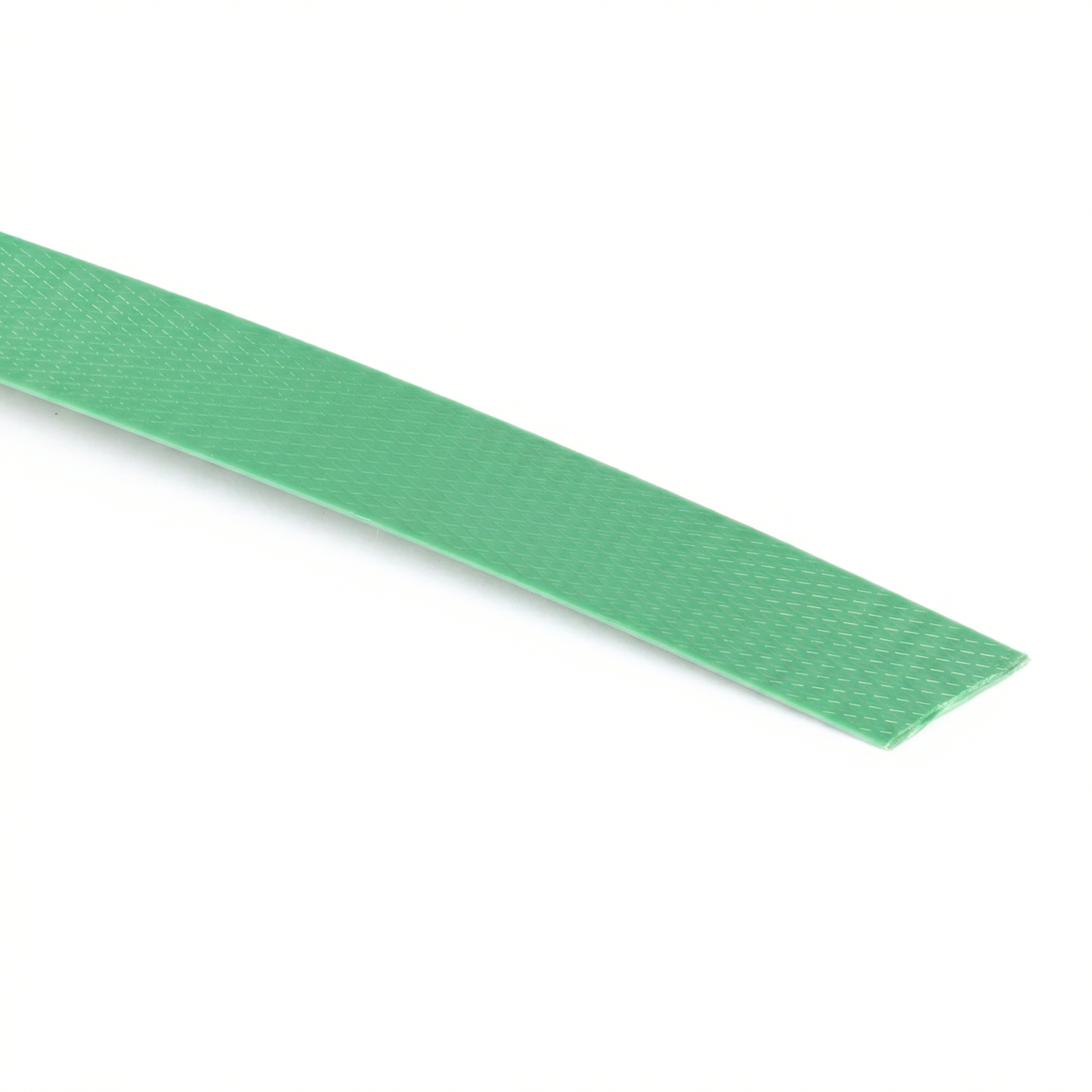
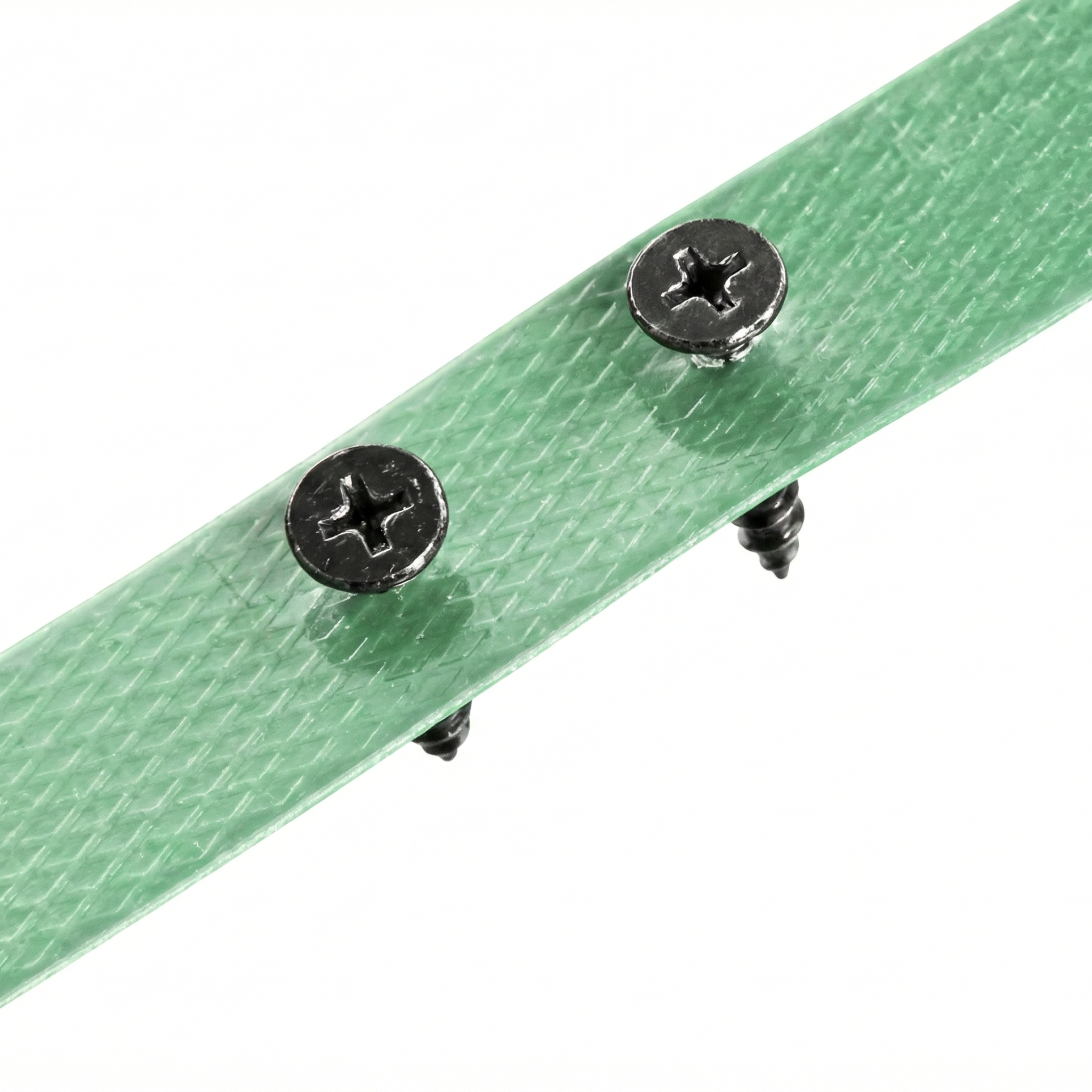
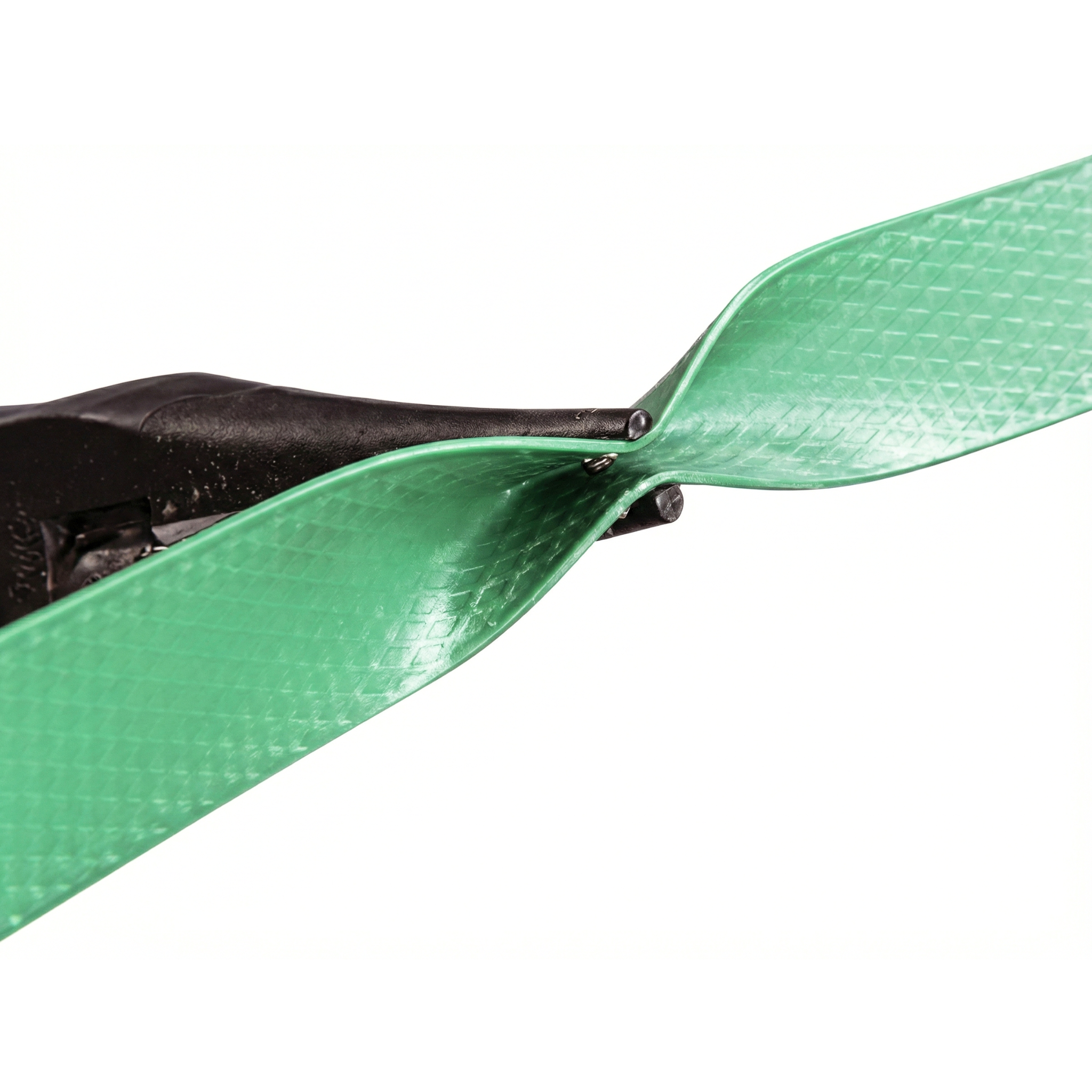
- Embossed finish, carefully manufactured: the textured surface improves grip in the tensioner and in friction-weld sealing, reduces seal slippage, and avoids glare, ideal for manual and battery-powered strapping.
Typical Applications and Uses
- Securing pallets of heavy construction materials: bricks, blocks, bundled cement bags.
- Restraining loads of lumber, planks, metal profiles, and industrial parts.
- Export and inter-island transit of heavy goods where the pallet spends days in the sun before shipping.
- Agro-industrial operations: bundling fertilizer bags, bales, and dense inputs.
Quality and Durability
The difference between premium and generic PET shows in the tension retained after 48 hours of transport. Budget PET loses tension quickly because the polyester formulation is of lower quality and the gauge is irregular, causing the seals to loosen with truck vibration. This strapping is manufactured from virgin polyester with gauge controlled within tight tolerances, which translates into loads that arrive at their destination with the same hold they left with.
Can it really replace steel strapping in heavy loads?
Yes, in the vast majority of medium and heavy load applications in general logistics. PET handles break tensions comparable to steel at the same operating gauges, with the critical advantage of absorbing transport vibration without losing initial tension. Where steel still makes sense is in extremely heavy loads with sharp cutting edges (metal sheet, industrial profiles with sharp edges) that can sever the plastic in extreme conditions, but those cases are a minority.
When does PET make sense and not PP?
PET when the load is heavy (bricks, blocks, lumber, profiles, dense sacks), when transport is long and vibrating, or when the pallet stays outdoors for days. PP when the load is light to medium (cardboard, parcels, package consolidation) and the operation prioritizes speed. The practical rule: if the pallet weighs more than 400 kg or sits in the sun for days, PET; in standard cardboard general logistics, PP is enough.
Does it withstand direct Caribbean sun and tropical rain without losing tension?
Yes. Polyester is highly resistant to UV radiation and humidity — it does not rust or degrade with occasional rain or prolonged sun exposure. It is the standard for pallets stored outdoors for days or weeks in construction yards, agricultural patios or export aprons. Versus steel, it wins in that it does not rust or stain the cargo. Versus PP, it wins in that it keeps tension under direct sun for much longer.
Is it safe to handle compared to metal strapping?
Considerably safer. When cut, steel releases stored elastic energy as a whip-back — a frequent cause of workplace accidents in heavy-load strapping — and its edges cut when handled without proper gloves. PET, although it tensions with high force, does not produce a violent whip-back and has no sharp edges, so operational risk is much lower. As with any tensioned strap, gloves and goggles should be used when cutting bobbins on the machine, but the difference vs. metal is noticeable.
Still have questions?
Ask us and we will gladly help you with whatever you need.
| Material and construction | |
|---|---|
| Material | Virgin polyester (PET) |
| Color | Green |
| Edges | Rounded, anti-cut |
| Mandrel material | Cardboard |
| Packaging | Plastic film |
| Embossing | Yes (both sides) |
| Dimensions and format | |
| Strap width | 16 mm (5/8 in) |
| Internal mandrel dimensions | 406 mm (16 in) diameter and 152 mm (6 in) wide |
| Strap thickness | 0.8 mm (0.031 in) |
| Spool length | 1080 m (3543 ft) |
| Gross weight | 19.7 kg (43 lb) |
| Net weight | 18.5 kg (41 lb) |
| Strength and performance | |
| Break strength | > 380 kg (838 lb) |
| Durability and protection | |
| UV protection | Yes (high) |
| Certifications | SGS, ISO and RoHS |
| Coil: Width | 58.0 cm (22.83 in) |
|---|---|
| Coil: Height | 15.0 cm (5.91 in) |
| Coil: Depth | 58.0 cm (22.83 in) |
| Coil: Weight | 20.0 kg |
Official MAXTENS warranty
What's covered
Confirmado el defecto: sustitución o devolución del valor pagado.
What's not covered
Payment & Security
