

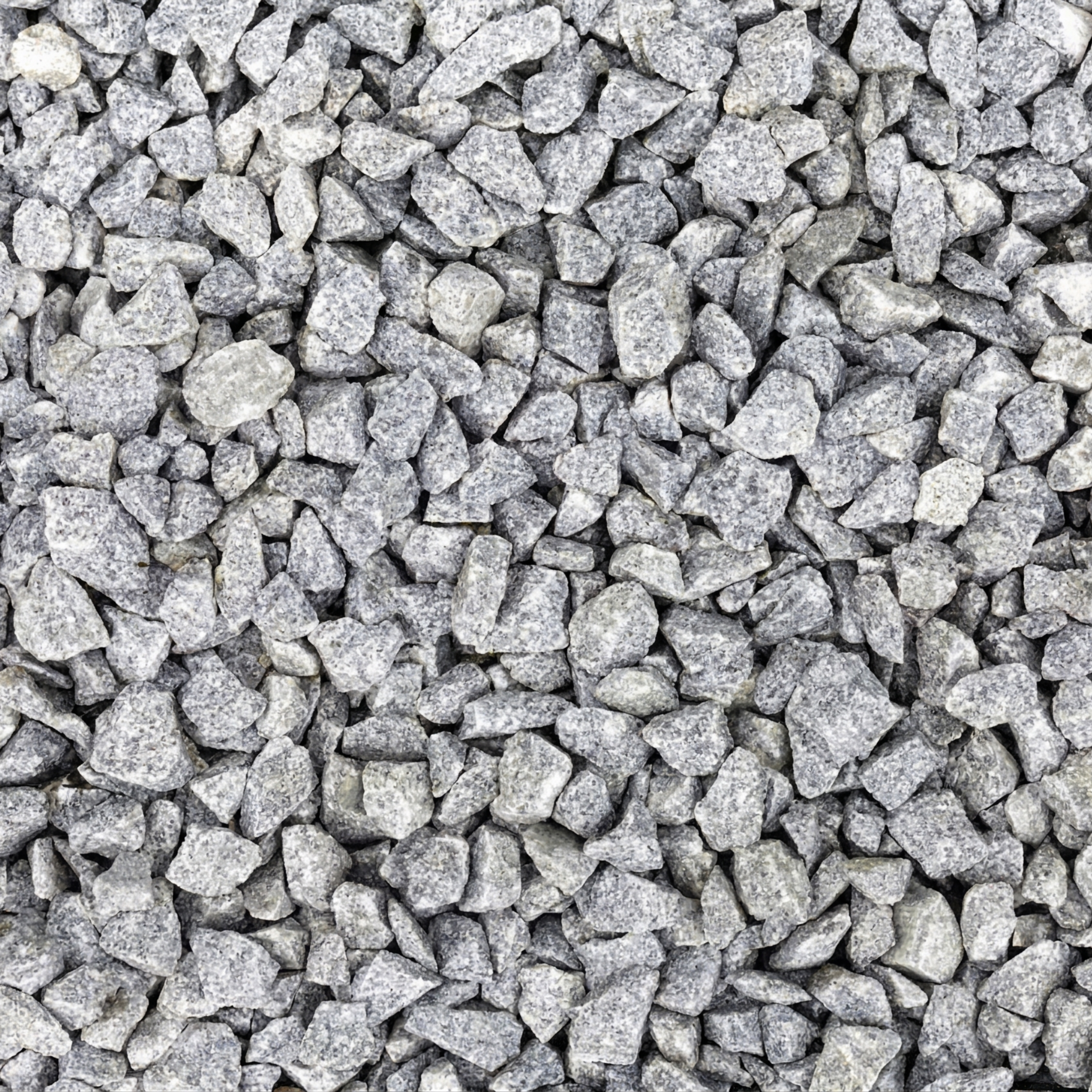


Filtering swimming pools with superior efficiency to silica sand by eliminating chloramines that cause odor and eye irritation, retaining nutrients in crops so that fertilizer is not washed away with irrigation, or absorbing ammonia in aquariums and soils without resorting to multiple products requires natural clinoptilolite zeolite controlled with calibrated granulometry. This zeolite—also called clinoptilolite, agricultural zeolite, or zeolitic filter medium—is marketed by Gardese in four granulometries (extra-fine 0.5-1 mm, fine 1-3 mm, medium 3-6 mm, coarse 6-9 mm) in 25 kg bags, designed for water treatment, precision agriculture, aquarism, and construction with pozzolanic cements.
Main benefits
- High cation exchange capacity: the honeycomb-like porous structure absorbs and releases nutrients (potassium, calcium, magnesium, ammonium) gradually according to plant demand, reducing fertilizer loss due to leaching and improving crop yield.
- Superior filtration to sand: retains particles up to 5 microns (compared to 20-40 microns of conventional silica sand) and reduces chloramines, heavy metals, and ammonia, a critical condition for pools with persistent odor or hard water.
- Natural ammonia absorbent: applicable in aquariums and fish ponds, pet litter (cat litter), stables, and damp rooms, where it captures toxic nitrogen compounds without added chemicals.
- Inert and durable mineral: does not decompose or lose structure with prolonged use; in pool filters, it lasts significantly longer than sand, and in agricultural substrate, it remains active for years of cultivation.
- Compatible with organic production: natural zeolite is allowed by organic farming standards, a condition for certified producers who need nutrient retention and reduced leaching without losing their certification.
Typical applications and uses
- Water treatment: filter medium in residential and commercial pools, jacuzzis, aquariums, and water treatment plants.
- Agriculture and gardening: 15-25% mineral amendment in substrates for hydroponics, lawns, fruit trees, and horticultural crops with fertigation.
- Construction: pozzolanic additive in cements and concretes to improve resistance and reduce weight, especially in humid climates.
- Domestic and industrial use: pet litter, humidity and odor control in closets or basements, spill drying.
Quality and durability
An economical zeolite fails in two aspects: the origin is not pure clinoptilolite but mixtures with accompanying minerals of low exchange capacity (which dramatically reduces actual performance) and the granulometry is heterogeneous (which produces filters with irregular flow and substrates with uneven drainage). Gardese works with selected clinoptilolite in calibrated granulometries, which distinguishes a professional treatment or serious agronomy zeolite from a generic bag that neither performs nor filters.
What's the real difference between zeolite and silica sand as a filter media?
How does zeolite actually help in cultivation and gardening?
Is zeolite safe in ponds and aquariums with fish?
Still have questions?
Ask us and we will gladly help you with whatever you need.
| Material and construction | |
|---|---|
| Chemical composition | SiO₂: 68.60%, MgO: 0.81%, CaO: 2.57%, Fe₂O₃: 1.35%, Al₂O₃: 12.43%, K₂O: 2.83%, Na₂O: 1.08% |
| Dimensions and format | |
| Weight | 25 kg (55.1 lb) |
| Physicochemical properties | |
| Cation exchange capacity (CEC) | High (120 - 180 meq/100 g) |
| Electrical conductivity (EC) | Very low (< 0.5 dS/m) |
| pH level | 6.8 - 7.5 |
| Grain size | 0.5 - 1 mm (0.02 - 0.04 in) |
| Presentation and packaging | |
| Packaging | Bag |
| Sack: Weight | 25.0 kg |
|---|
Official GARDESE warranty
What's covered
Confirmed defect: replacement or refund of the amount paid.
What's not covered
Pago & Seguridad

