
Tips
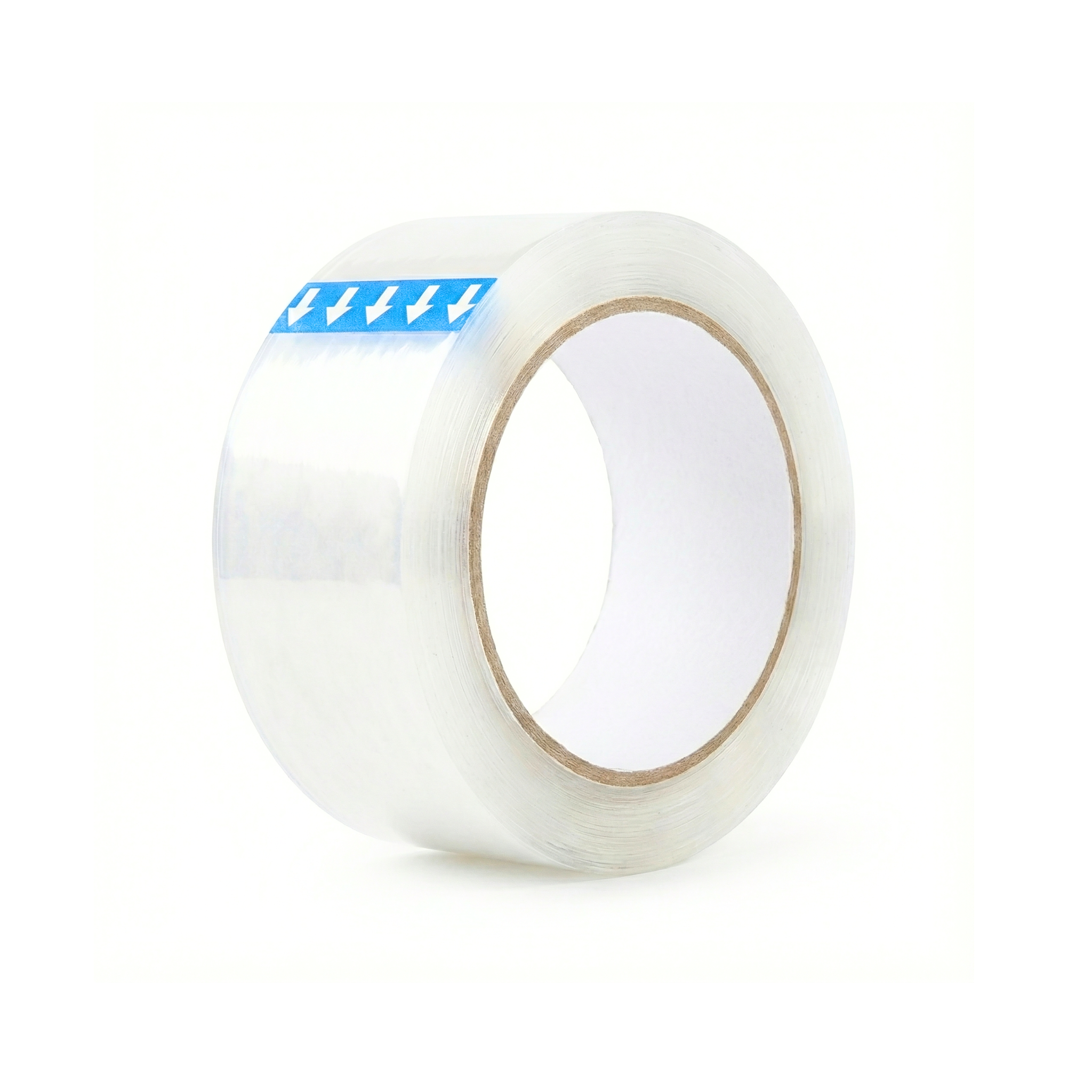
Comparison | Rolls of adhesive tapes: how to choose the right product
Fortemo adhesive tapes: Transparent BOPP, FRAGILE, machine, HVAC aluminum, and masking tape. How to choose according to task, material, and conditions.
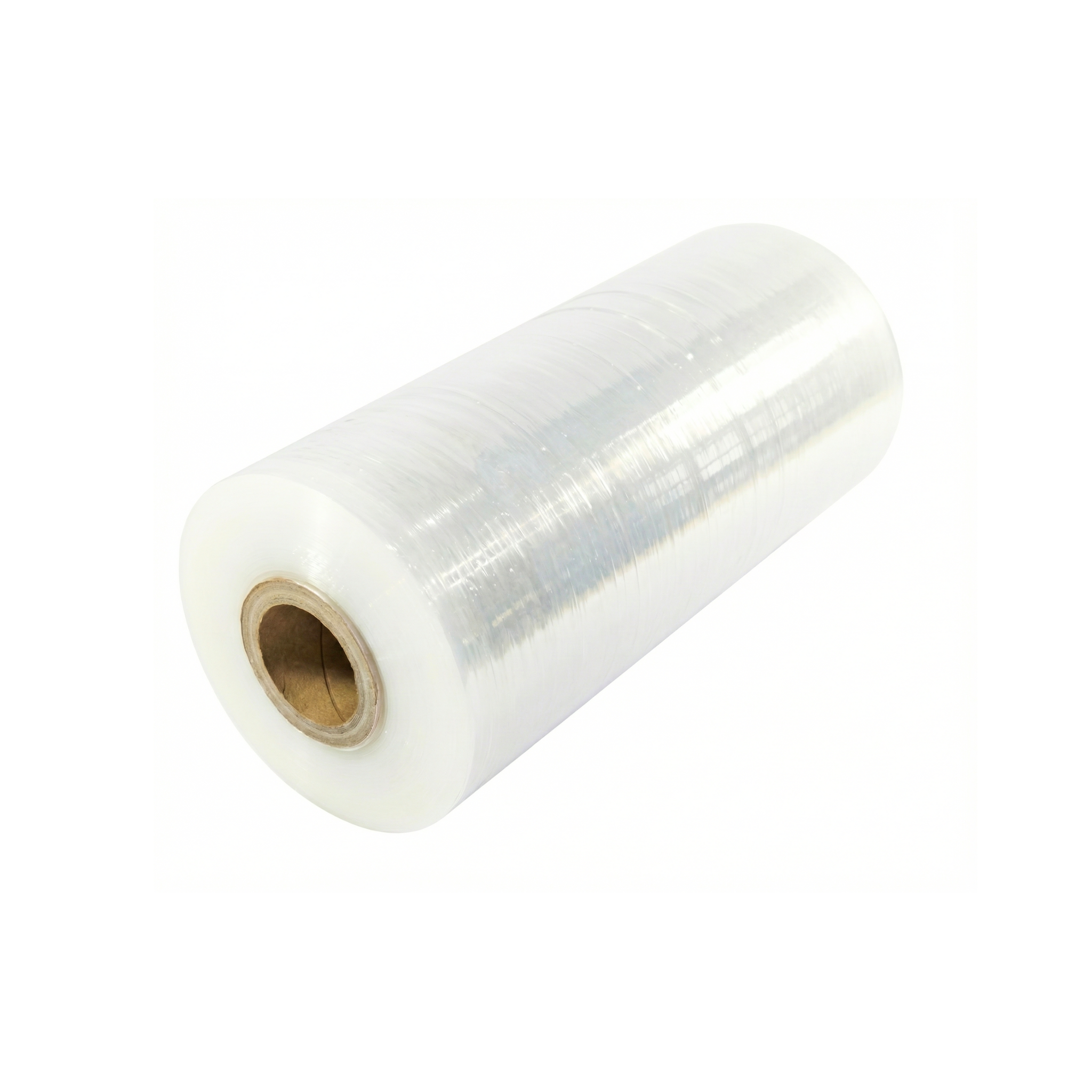
Comparison | Stretch films for machines: how to choose the right product
Stretch films for Fortemo machines: clear and black with UV. How to choose based on wrapper, sun exposure, and product sensitivity.
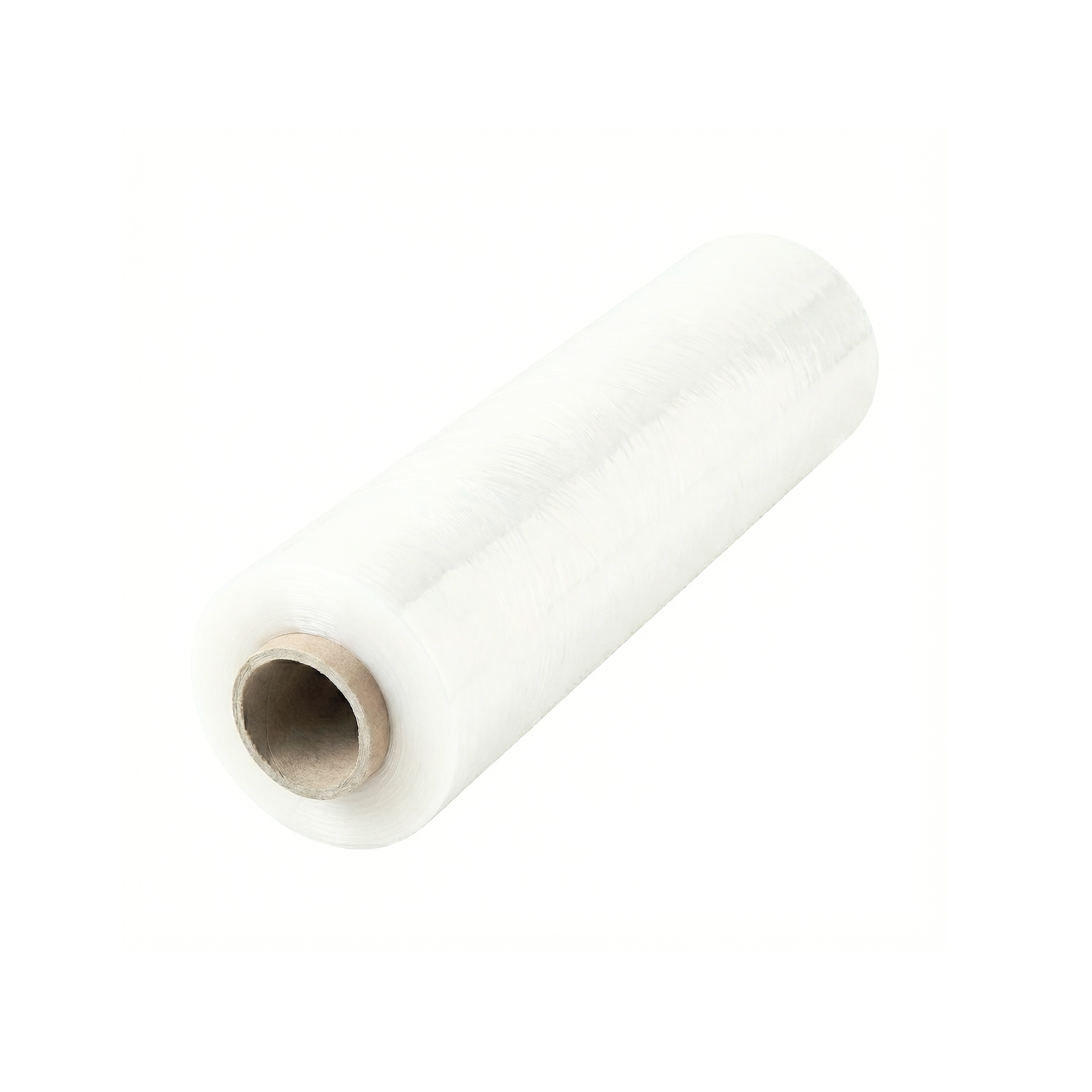
Comparison | Manual stretch films: how to choose the right product
Fortemo Manual Stretch Films: transparent for visible general palletizing and black with UV for sensitive shipments. How to choose according to operation.
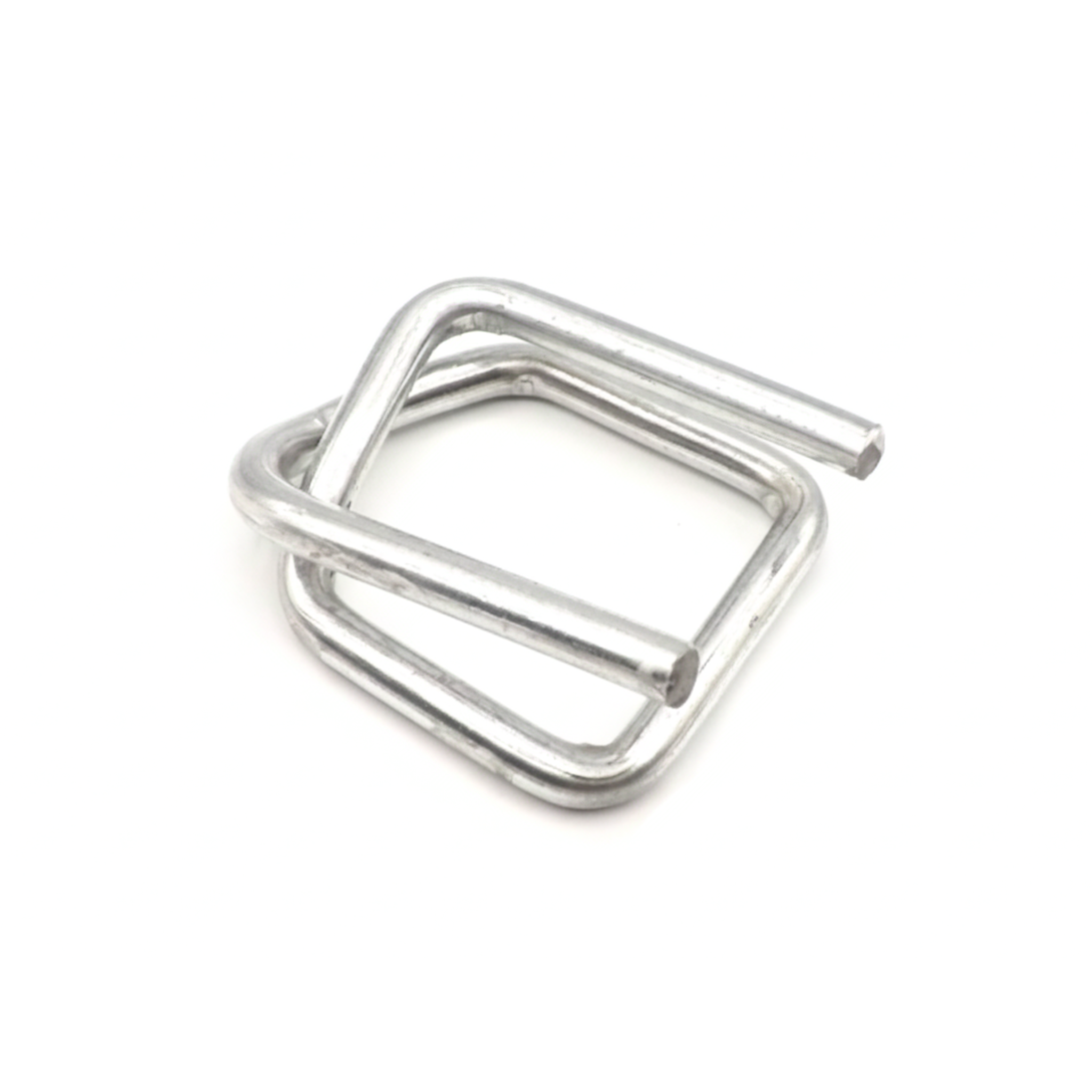
Comparison | Strapping buckles: how to choose the right product
Fortemo buckles for strapping: galvanized wire metal and self-locking plastic. How to choose according to load weight and strapping material.
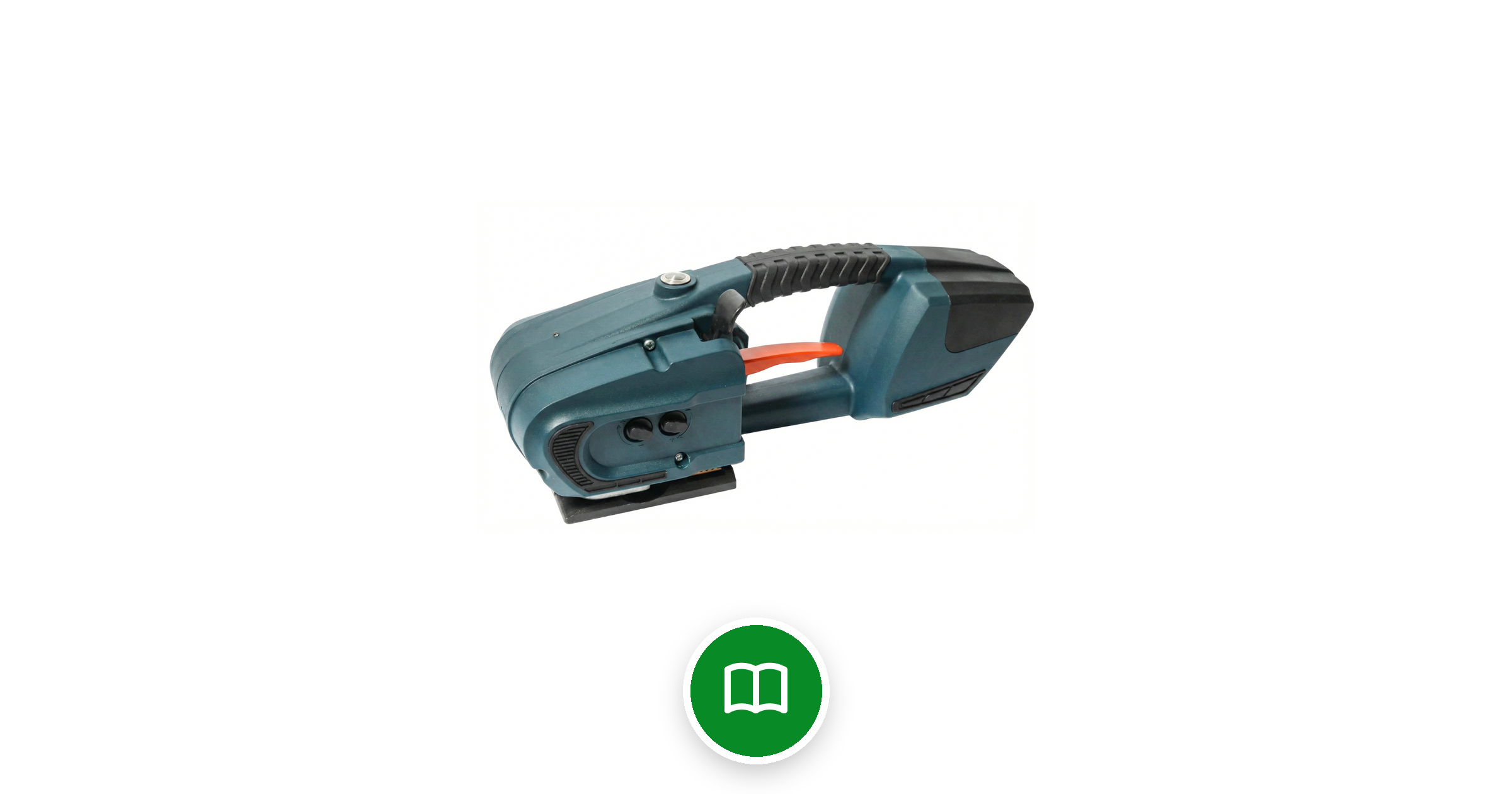
User Guide | Battery-powered Strapping Tool for Polypropylene (PP) and Polyester (PET) Strapping
How to use the battery-powered strapping tool: settings for PP and PET, automatic tensioning-welding-cutting cycle, battery, and basic maintenance.
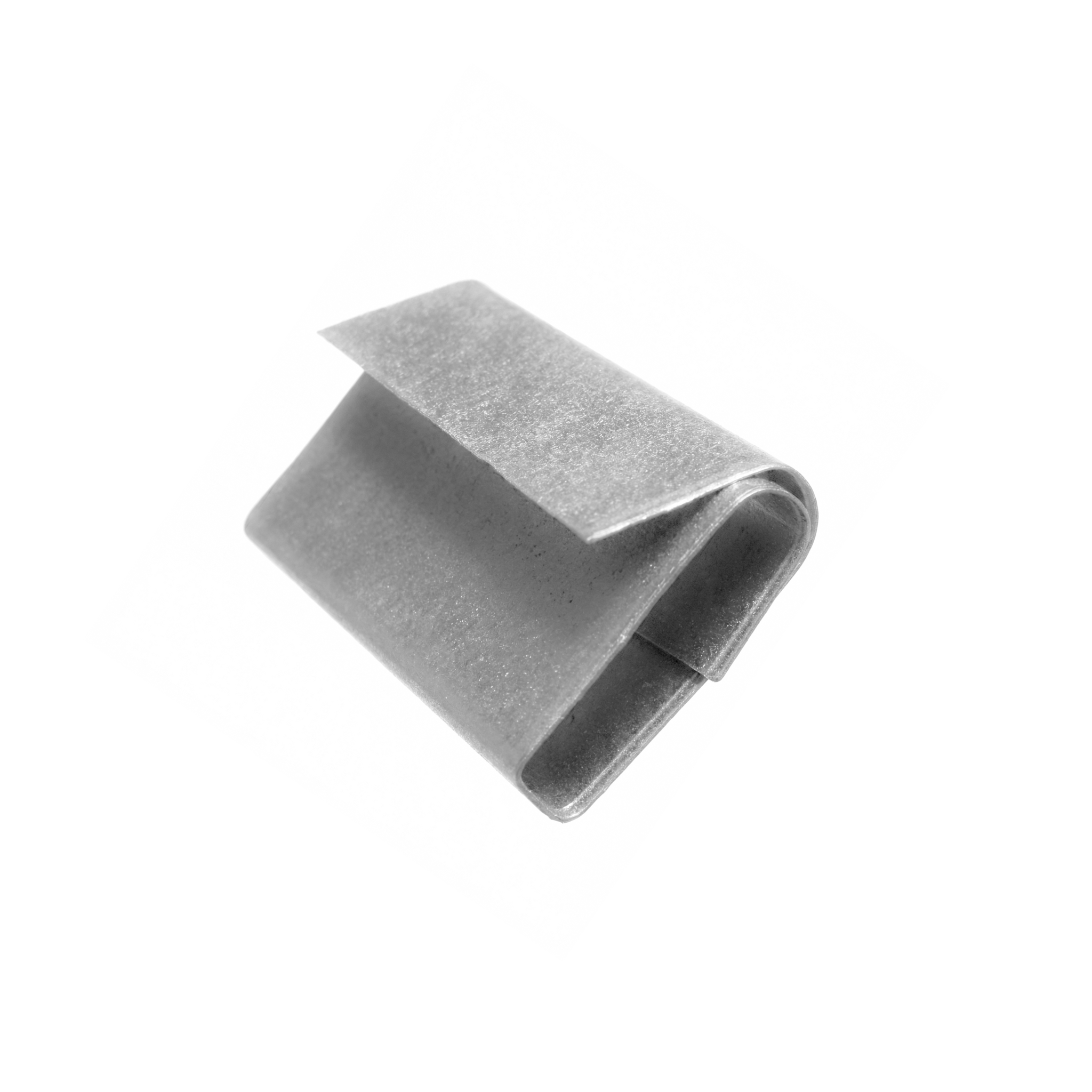
Comparison | Seals for strapping: how to choose the right product
Fortemo metal seals for PP (smooth) and PET (serrated) strapping. How to choose the right seal based on the strapping material in use.
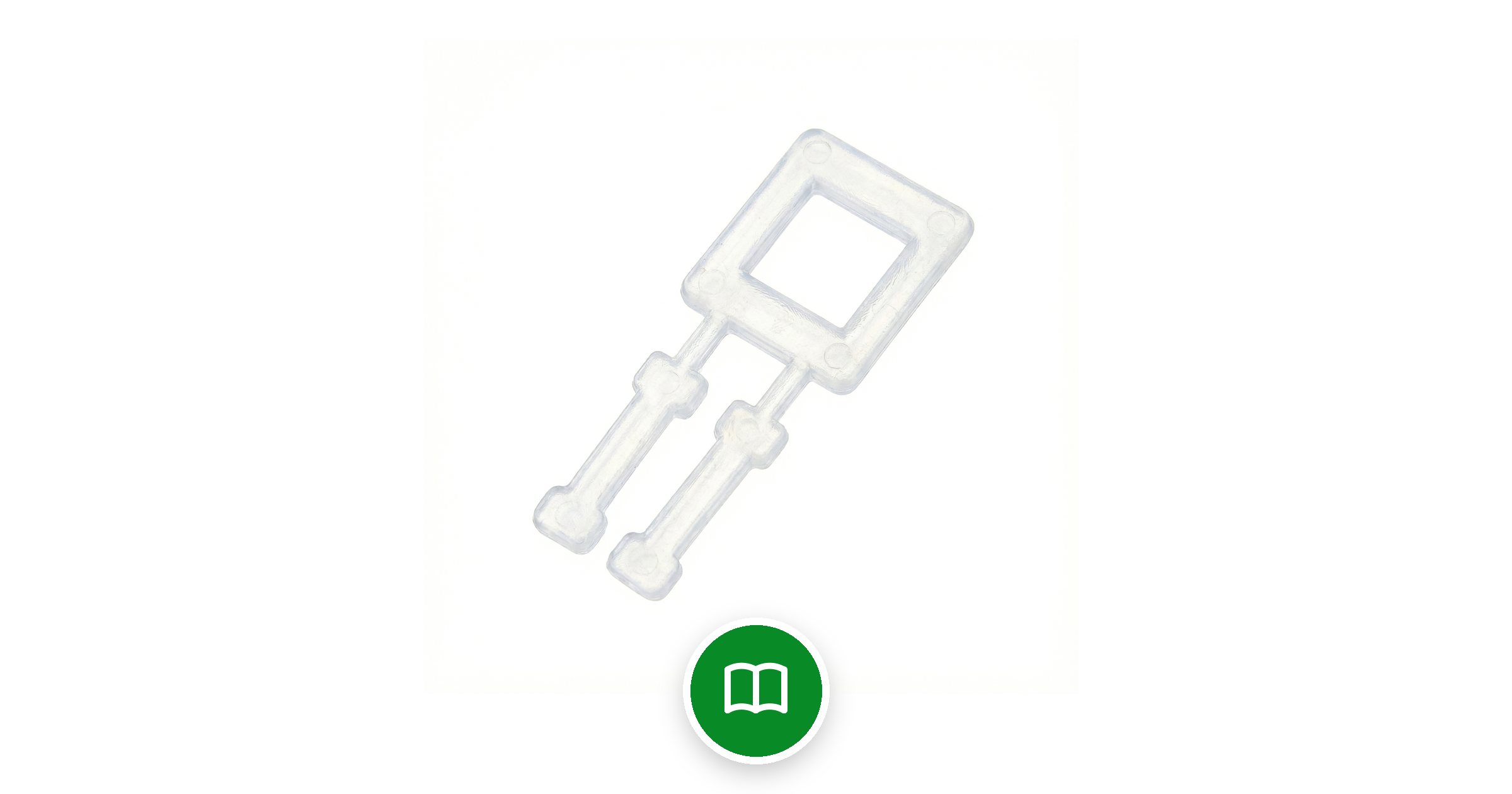
Usage Guide | Plastic Buckle for Strapping
How to use a plastic buckle to strap PP strapping without a tensioner or metal seal: threading, manual closure, re-tensioning, and comparison with a metal seal.
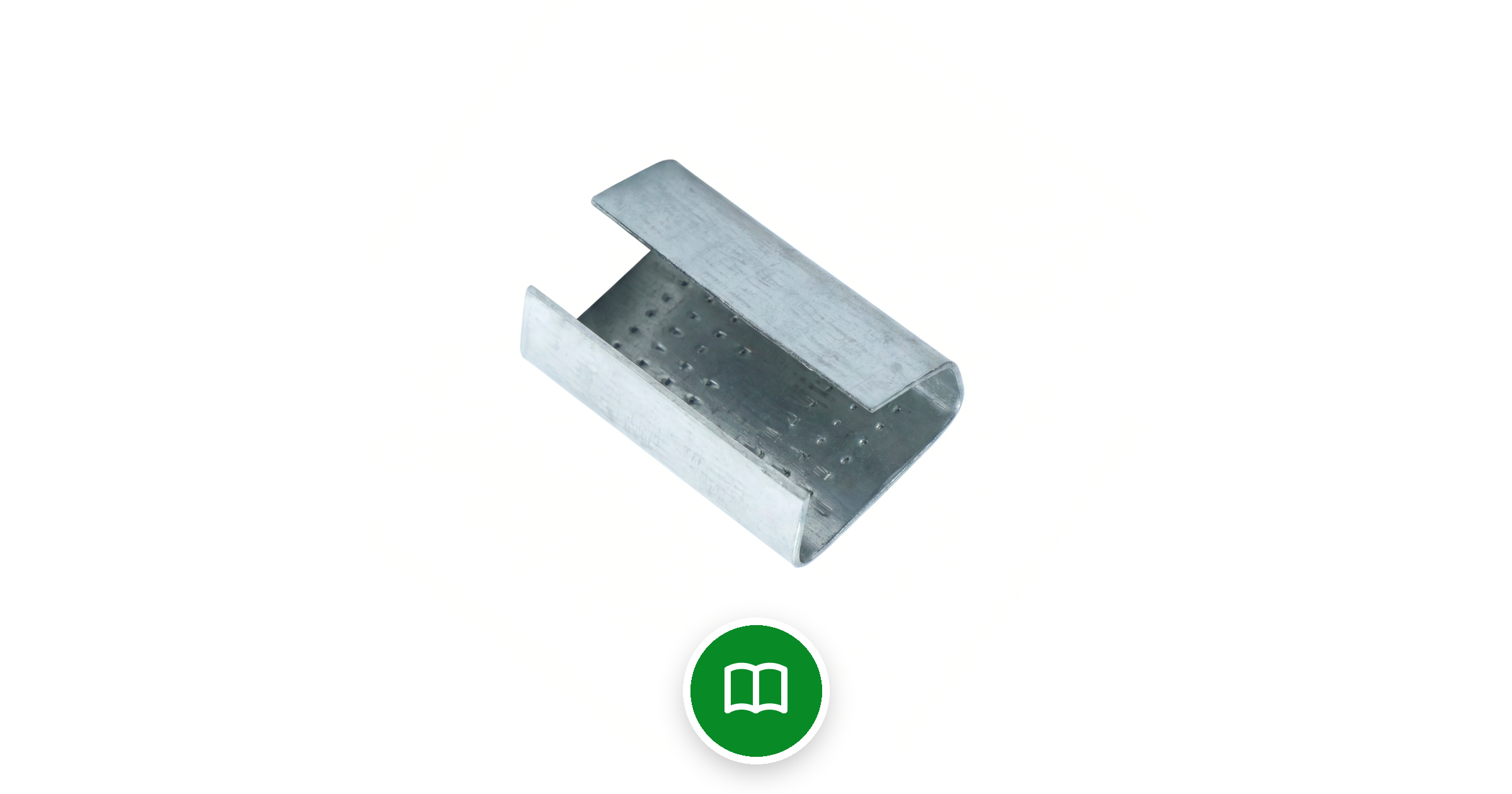
User guide | Polyester (PET) strapping seal
How to use serrated seals for PET strapping on heavy loads: placement, closing with specific tensioner, distinction from PP seals, and verification.
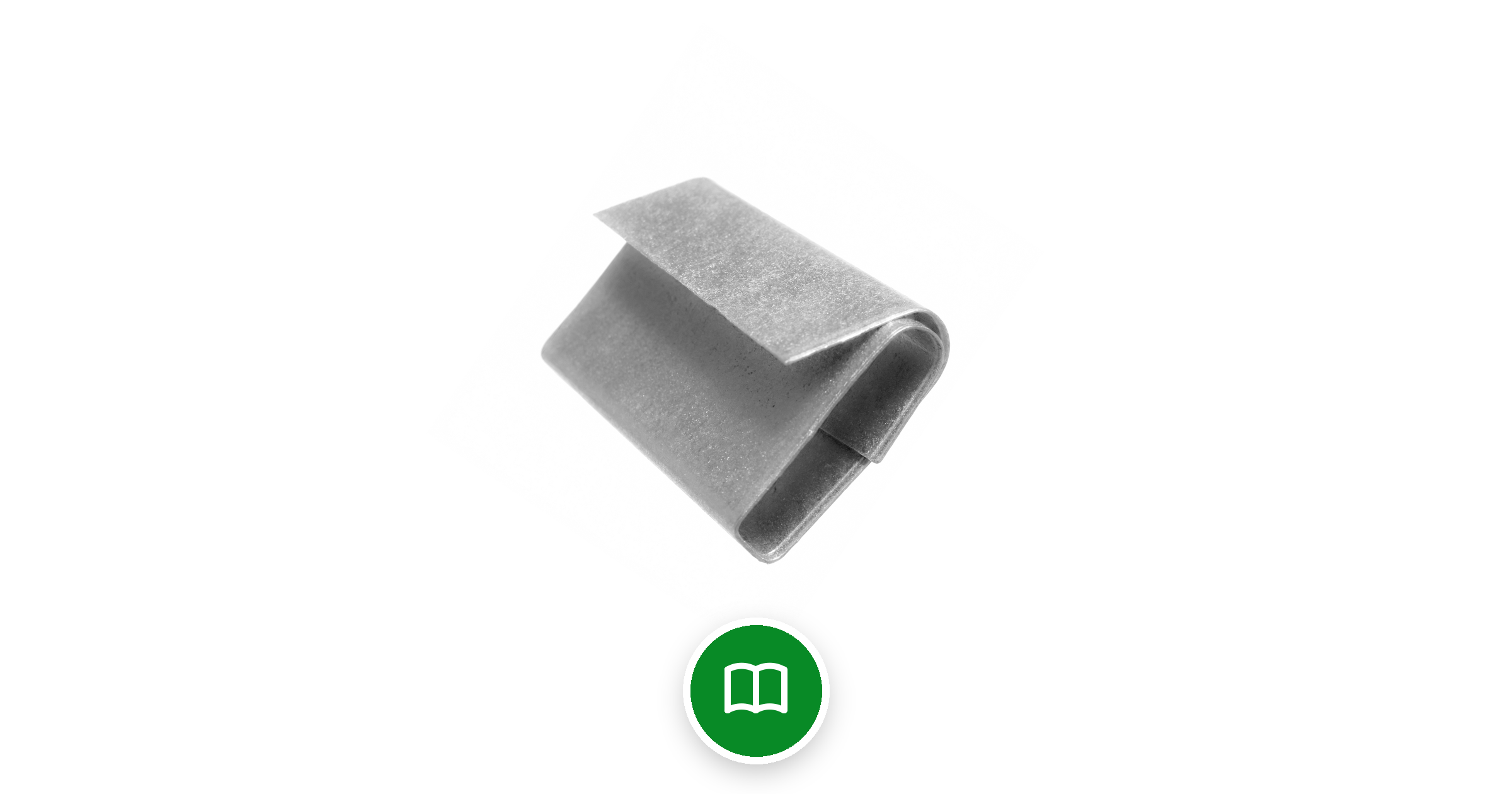
User guide | Seal for polypropylene (PP) strapping
How to use metal seals for PP strapping: placement on the two layers, closing with pliers, distinction from PET seals, and checking the closure.
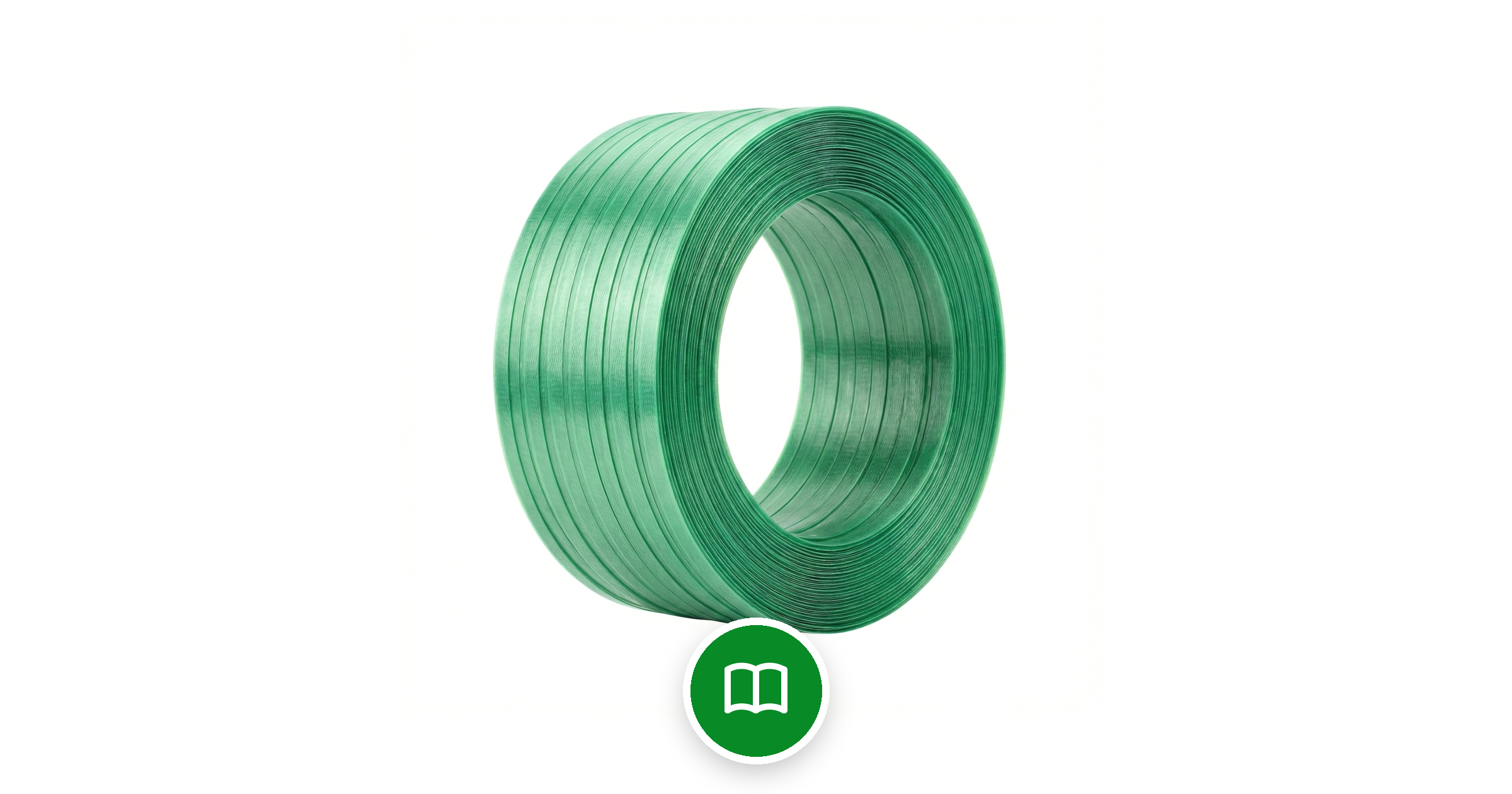
User guide | Polyester strapping (PET)
How to strap heavy loads with PET strapping step by step: preparation, tensioning, sealing with a metal seal or by friction, and final checks, with notes by width (12, 16, 19 and 25 mm).
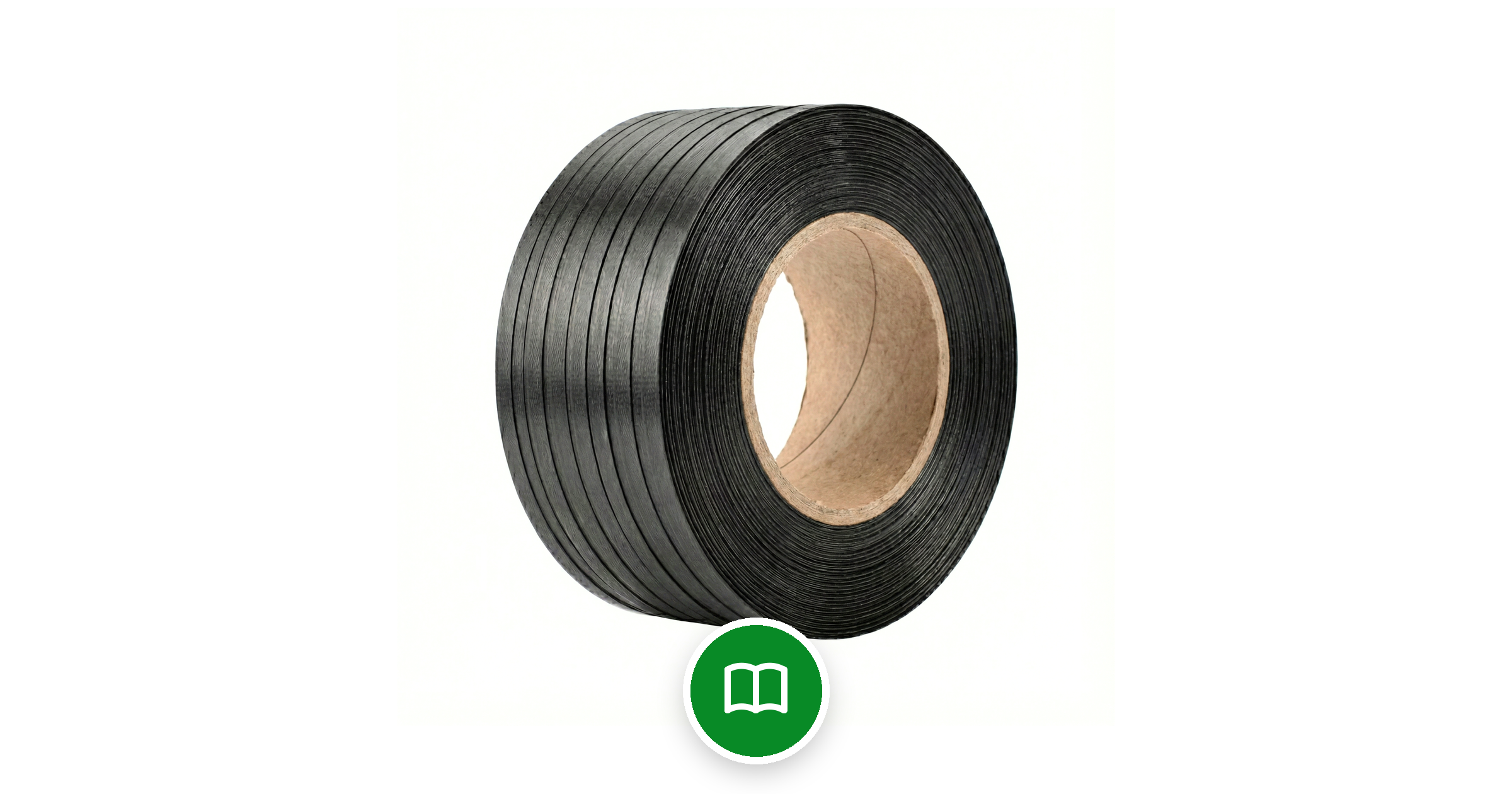
User Guide | Polypropylene (PP) Strapping
How to strap with PP step by step: preparation, tensioning and sealing, with notes by width for automatic (5, 9 mm) and manual (12, 15, 19 mm) strapping.
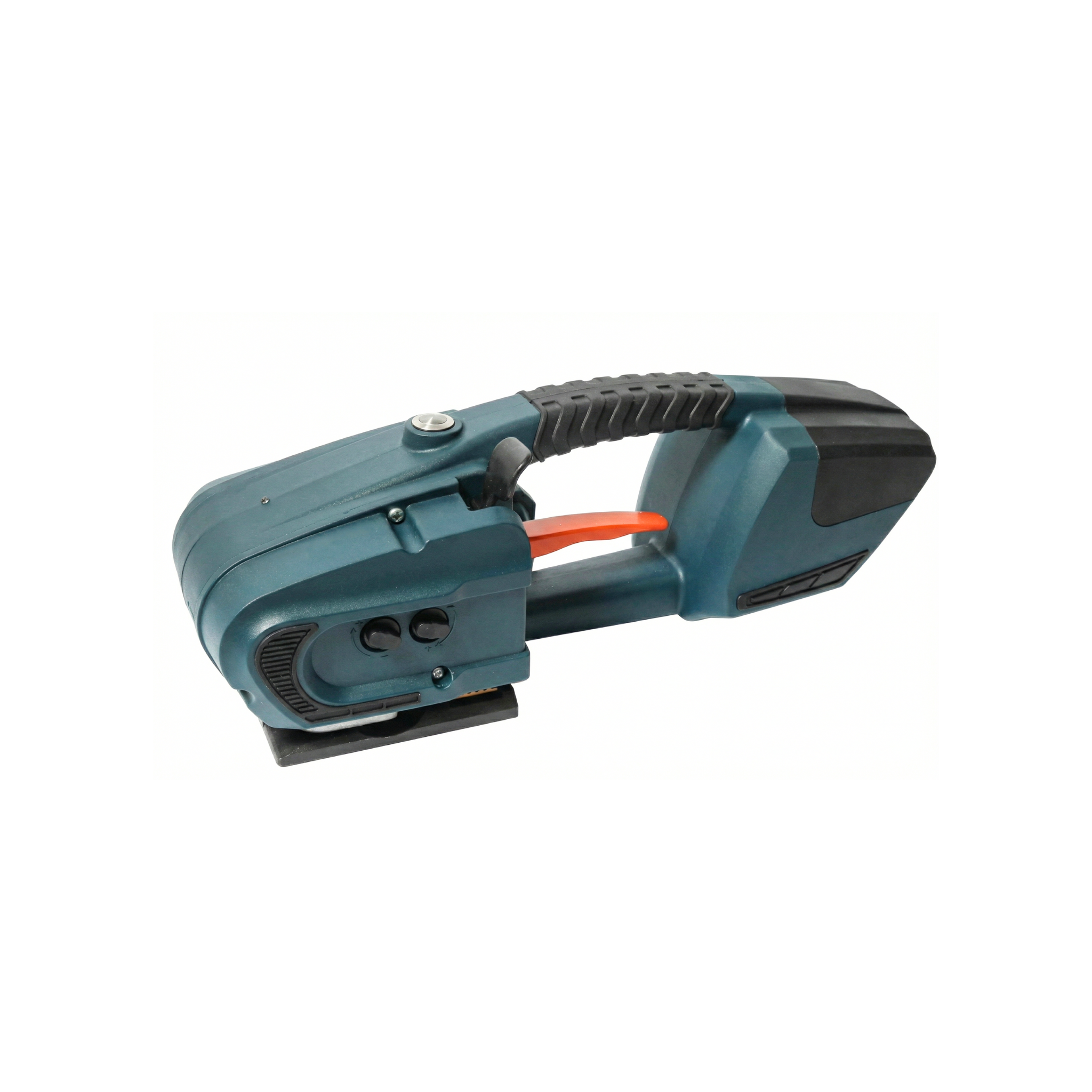
Comparison | Strapping Tools: How to Choose the Right Product
Complete comparison of the 6 active strapping tools products, with suggested uses, variants, technical data sheet, and decision matrix. Review compatibility before purchasing.
