
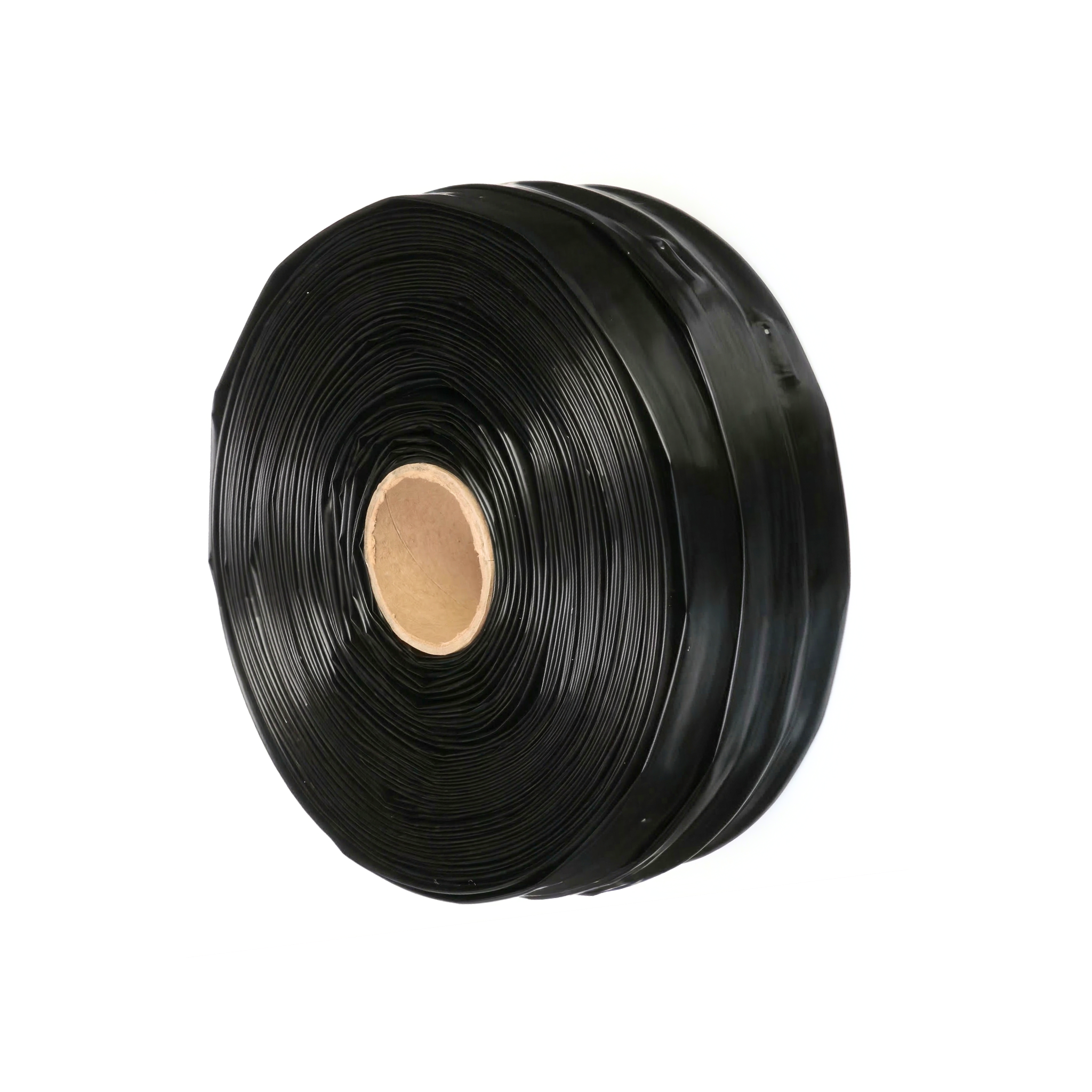
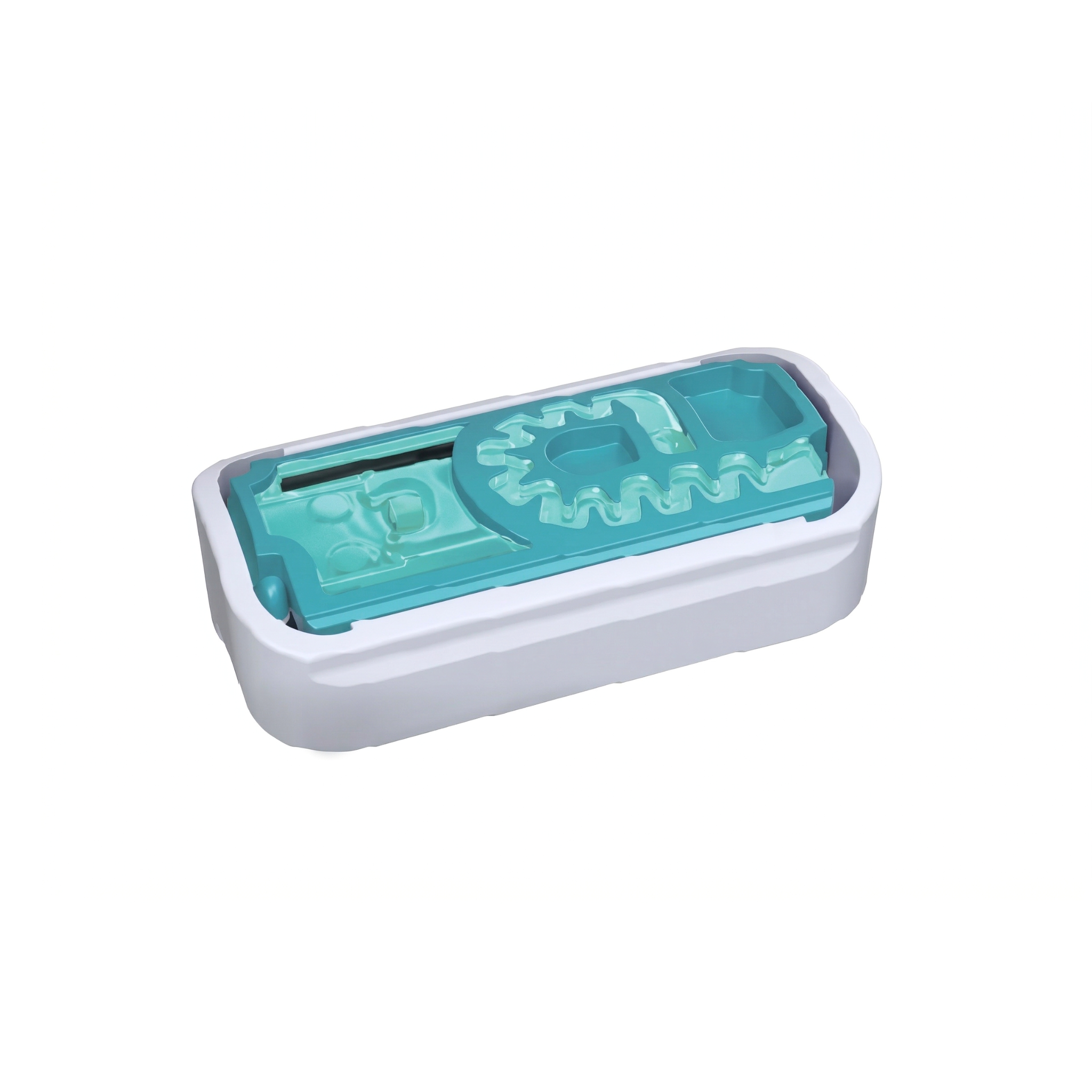
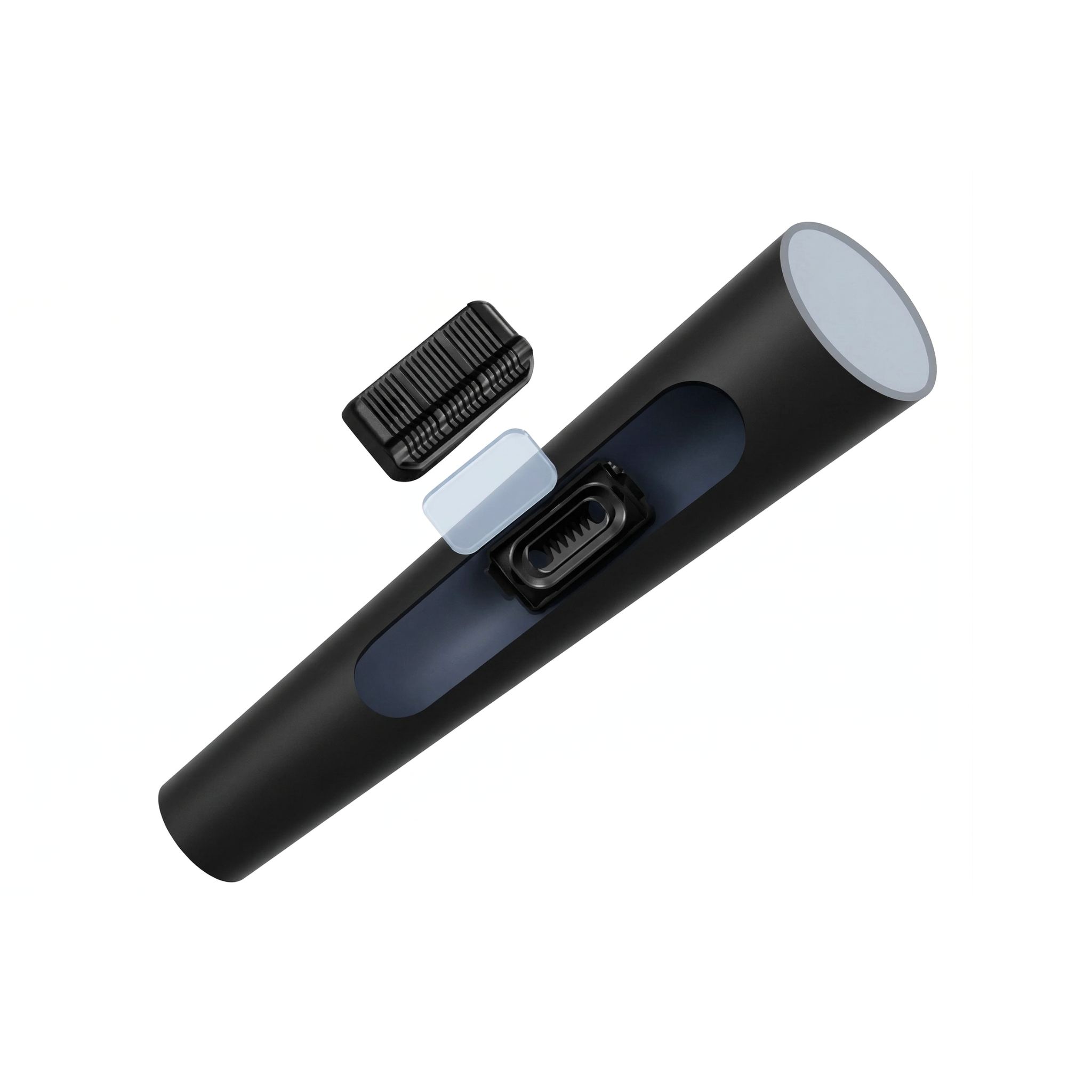
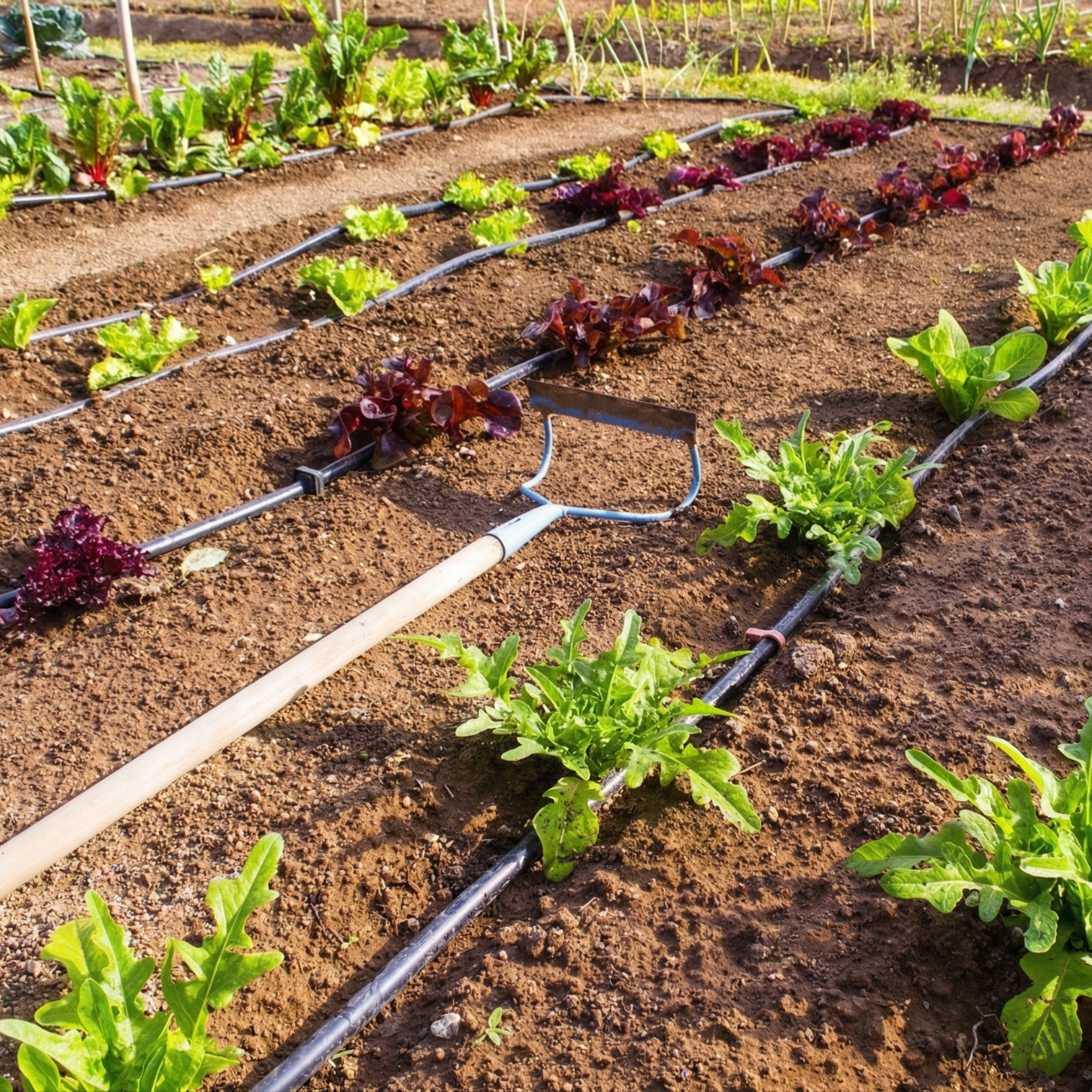


Irrigating plots with steep slopes, long lateral lines, or uneven terrain —where conventional drip tape delivers uneven flow between high and low areas and compromises the crop— requires a pressure-compensating tape with integrated PC, ND, and AS technology, manufactured to a tight specification for professional fertigation. This pressure-compensating drip irrigation tape —also known as PC drip tape, pressure-compensated drip line, or drip tape for slopes— is manufactured by Gardese from LDPE, 16 mm diameter and 0.6 mm thick (240 gauge), with integrated pressure-compensating emitters (1.6 L/h flow rate), in two spacings (20 and 30 cm), in 500 m rolls, designed for precision agriculture, fertigation, rolling terrain, and row crops on uneven land.
Key benefits
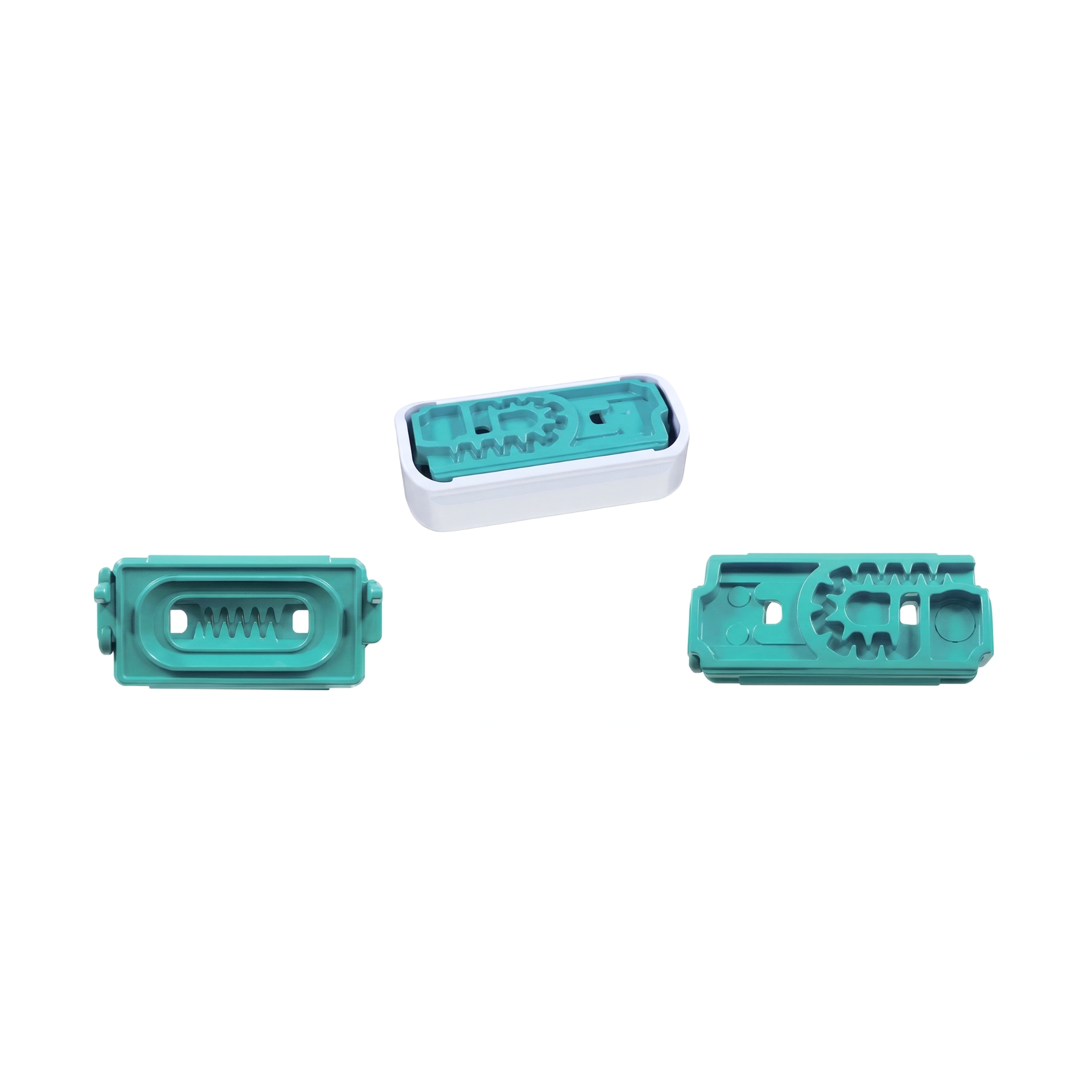
- Pressure compensation for uniform flow: the emitter delivers a practically constant flow rate across the entire operating pressure range, equalizing the dose at every plant regardless of position on uneven plots. Without this technology, lower plants receive more water than higher ones.
- Non-drain (ND) function for pulse irrigation: the emitter closes automatically when pressure drops, keeping the line full between cycles so the next pulse starts with every emitter discharging from the first second —decisive for short, frequent pulse fertigation.
- Anti-siphon (AS) mechanism for buried irrigation: prevents soil and particles from being sucked into the emitter when the system shuts down, a critical condition for SDI (subsurface drip irrigation), the most efficient variant for perennial crops and water-scarce areas.
- Wide-passage labyrinth with self-cleaning: the internal geometry lets fine suspended sediments pass through and self-cleans under water pressure during the irrigation cycle, drastically reducing the clogging typical of Caribbean water.
- 240 gauge (0.6 mm) for multi-season use: a thickness calibrated between conventional flat tape (120 gauge) and heavy-wall hose (4000 gauge), engineered for 2–3 seasons of use under Caribbean radiation before replacement.
Typical applications and uses
- Crops on slopes, rolling terrain, and plots with elevation changes where conventional tape fails.
- Long lateral lines exceeding 100 m, where head loss between the near and far end of the line affects uniformity.
- Professional fertigation with short, frequent pulse irrigation.
- Subsurface drip irrigation (SDI) for fruit trees, potato, young citrus, and perennial crops with a buried system.
Quality and durability
An economical pressure-compensating tape fails on two counts: the compensation diaphragm is made of low-quality silicone or substandard ethylene propylene (losing elasticity within months and ceasing to compensate), and the passage labyrinth is narrow (causing systematic clogging within weeks). Gardese uses a calibrated technical silicone diaphragm and a wide-passage labyrinth with self-cleaning, which separates a true PC tape built for professional fertigation from a “self-compensating” label that does not actually compensate in practice.
On sloped terrain the difference is decisive. Conventional non-compensating tape delivers more water in low areas (higher gravity-driven pressure) and less in high areas, producing an uneven crop with over-irrigated plants in low spots and under-irrigated plants up high. The pressure-compensating (PC) tape delivers practically constant flow across the whole operating pressure range, equalizing the dose to every plant regardless of its position. For plots with 5 m of elevation difference or more, or long lines over 100 m, PC is the only viable option.
Yes. The Anti-Siphon (AS) mechanism closes the emitter when pressure drops as the system shuts off, preventing the tape from drawing soil, sand or roots into the emitter labyrinth (a critical issue that ruins conventional tapes underground). Combined with the No-Drain (ND) function and the wide-passage labyrinth, this tape is fit for subsurface drip irrigation (SDI) on fruit trees, deep-furrow vegetables and crops where surface irrigation over mulch is counterproductive. It pays to protect the manifold against animal entry (rodents) and inspect for losses periodically.
No-drain (ND) means the emitter closes automatically when system pressure falls below a critical threshold, keeping water inside the pipe when the pump shuts off. The advantage: when irrigation restarts in the next cycle, every emitter delivers water simultaneously from the first second, without waiting for the line to refill from the manifold. This is decisive in short, frequent pulse irrigation (several times a day, minutes long), where a conventional line without ND would waste much of the irrigation time just filling up.
Yes under typical conditions. The wide-passage labyrinth allows free circulation of fine particles in suspension, and dynamic self-cleaning uses the water's own pressure to expel small sediments during the cycle. Combined with the emitter's built-in filter, it drastically reduces blockages compared with small-passage emitters. For Caribbean water with high mineral load (iron, calcium, fine sand) it remains critical to keep manifold filtration at 130 microns minimum and to perform periodic descaling with diluted citric or nitric acid if scale appears. Without adequate filtration, nothing protects.
Still have questions?
Ask us and we will gladly help you with whatever you need.
| Diameter | 16 mm (0.63 in) |
|---|---|
| Thickness | 0.6 mm (240 gauge) |
| Dripper spacing | 20 cm (7.87 in) |
| Nominal flow per dripper | 1.6 L/h (54.1 fl oz/h) |
| Roll length | 500 m (1640 ft) |
| Number of drippers per roll | 2500 |
| Total flow per roll | 4000 L/h (1060 gal/h) |
| Roll: Width | 56.0 cm (22.05 in) |
|---|---|
| Roll: Height | 56.0 cm (22.05 in) |
| Roll: Depth | 35.0 cm (13.78 in) |
| Roll: Weight | 16.5 kg |
Payment & Security
