
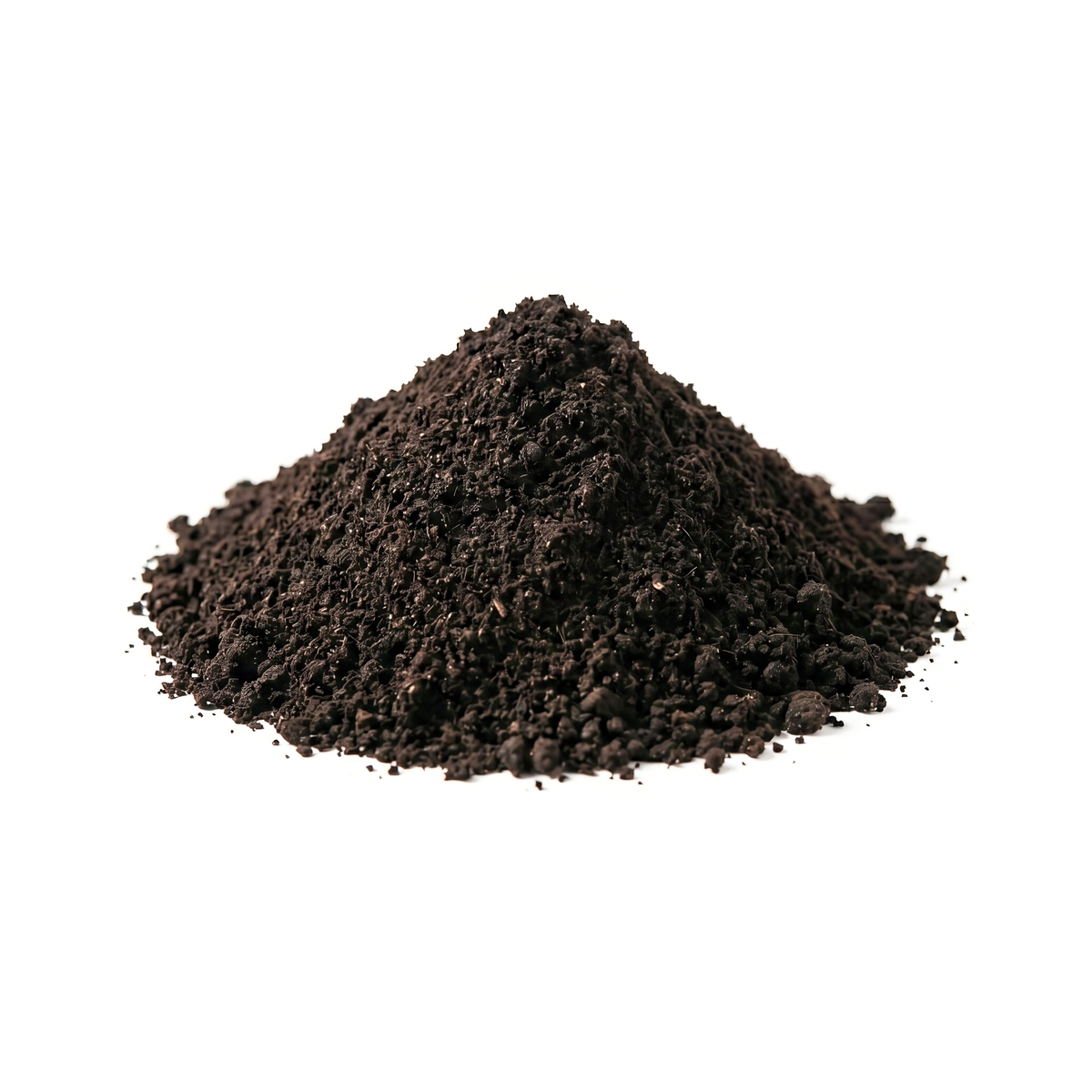
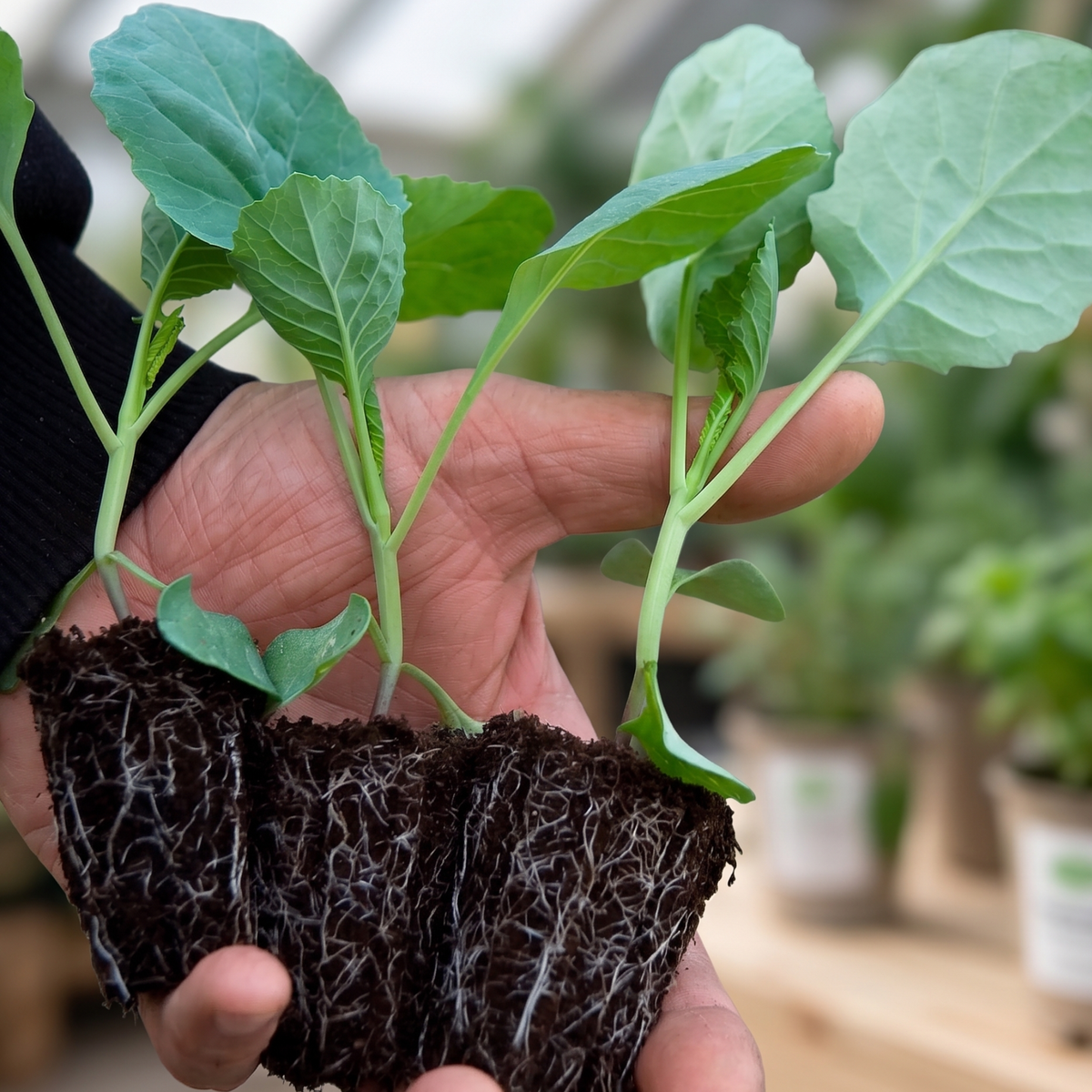
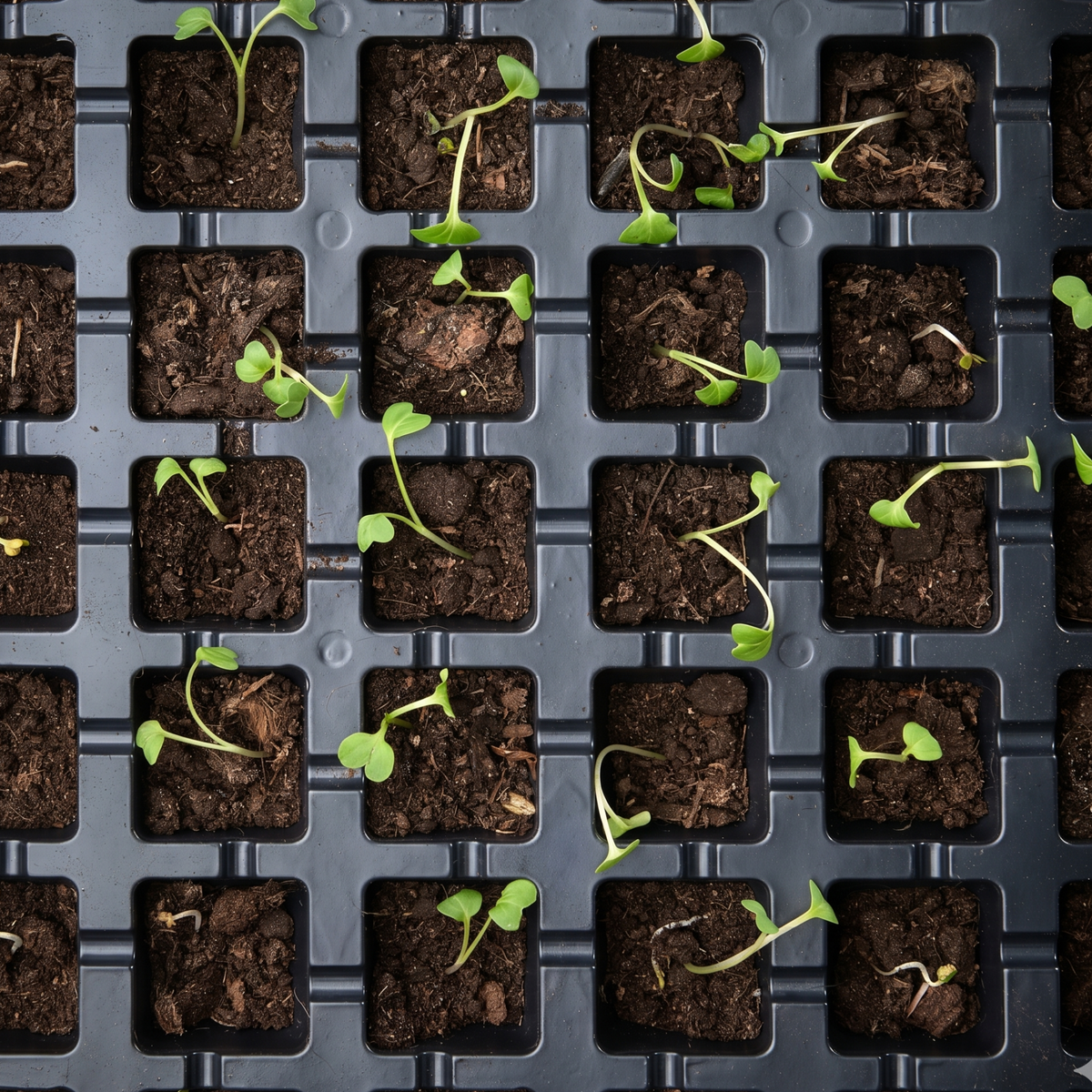


Achieving uniform germination and vigorous seedlings in professional propagation requires a substrate with fine structure, low salinity, and adjusted pH, capable of retaining moisture without compacting. This germination substrate—also called seedling substrate, propagation peat, or seedling mix—is manufactured with first-selection Baltic peat, with H3-H6 humification controlled in our own laboratory, and designed for professional nurseries, automated seeding lines, cuttings, and propagation of horticultural and ornamental crops in the Dominican climate.
Key benefits
- Fine and uniform structure: sifted fraction that favors intimate seed-substrate contact, even germination, and root development without physical barriers.
- Premium raw material: Baltic peat selected at origin, free of weed seeds, pathogens, and impurities. That is the difference between a serious propagation substrate and a generic bagged soil.
- pH 5.5-6.5 ready to sow: calcitic and dolomitic limestone correct the pH and supply assimilable calcium and magnesium, with no need for additional amendments.
- Low and balanced fertilization: low NPK level with microelements, sufficient for germination and the first phase without saturating young seedlings.
- Fast and uniform hydration: substrate design that ensures fast wetting and re-wetting, improved drainage, and maximum use of the applied fertilizer.
Typical applications and uses
- Professional seedling production in modular trays and automated seeding lines.
- Propagation of horticultural, ornamental, and aromatic crops in commercial nurseries.
- Cuttings, pricking out, and early transplanting of seedlings to cells and small pots.
- Golf course conditioning as top dressing and as a mix for heavy clay soils.
Quality and durability
A generic germination substrate fails at two critical points: irregular particle size that causes early compaction, and out-of-range electrical conductivity that burns young roots. This peat is selected at origin by humification grade H3-H6, sifted into a uniform fine fraction, and enriched with dolomitic limestone and wetting additives in controlled production processes with an in-house laboratory. That careful manufacturing chain is what sets a professional substrate apart from the anonymous seedling soil that ruins expensive seed.
Equivalences
Equivalent to these other-brand references:
- Fine [0 - 6 mm (0 - 0.24 in)] · 250 L (66 gal) bale
- Peatfield STANDARD PL-1 250 L (0–5 mm)RBK Gardens Germination Substrate (RD family)Pindstrup Plus Orange pH 5.5 (0–10 mm)
Brands and references mentioned belong to their respective owners; cited only for comparison and compatibility.
Is it suitable for producing edible plants?
What is the real difference from common bagged seedling soil?
How do you store the bale before and after opening it?
Still have questions?
Ask us and we will gladly help you with whatever you need.
| General | |
|---|---|
| Raw material | Baltic peat |
| Country of origin | Lithuania |
| Physicochemical properties | |
| Fertilization | Low, balanced with microelements |
| Particle size | Fine [0 - 6 mm (0 - 0.24 in)] |
| Organic matter | > 80% |
| pH | 5.5 - 6.5 |
| Compatibility and use | |
| Recommended use | Germination, seedbeds, cuttings, propagation |
| Presentation and packaging | |
| Presentation | 250 L (66 gal) bale |
Official GARDESE warranty
What's covered
Confirmed defect: replacement or refund of the amount paid.
What's not covered
Payment & Security

