
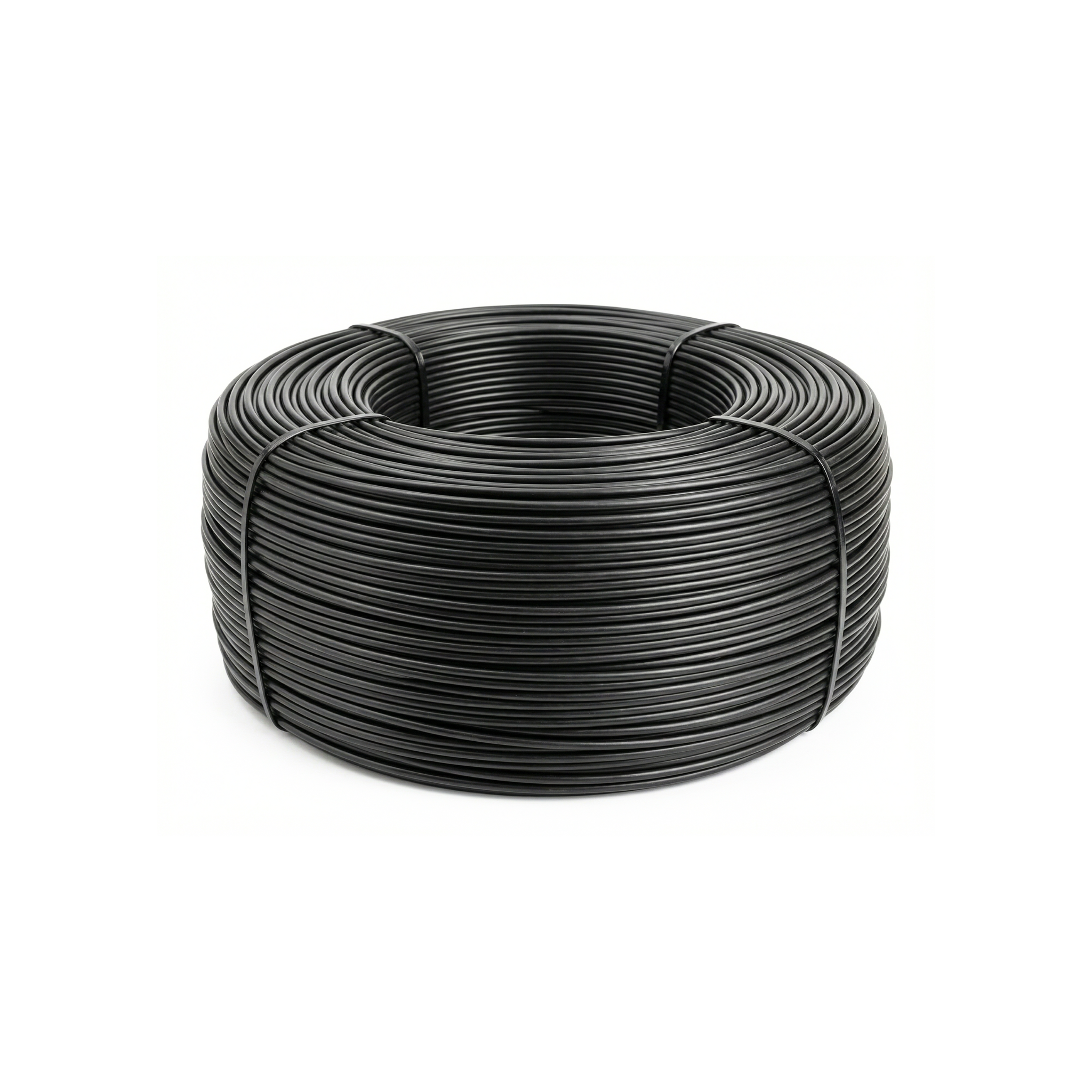
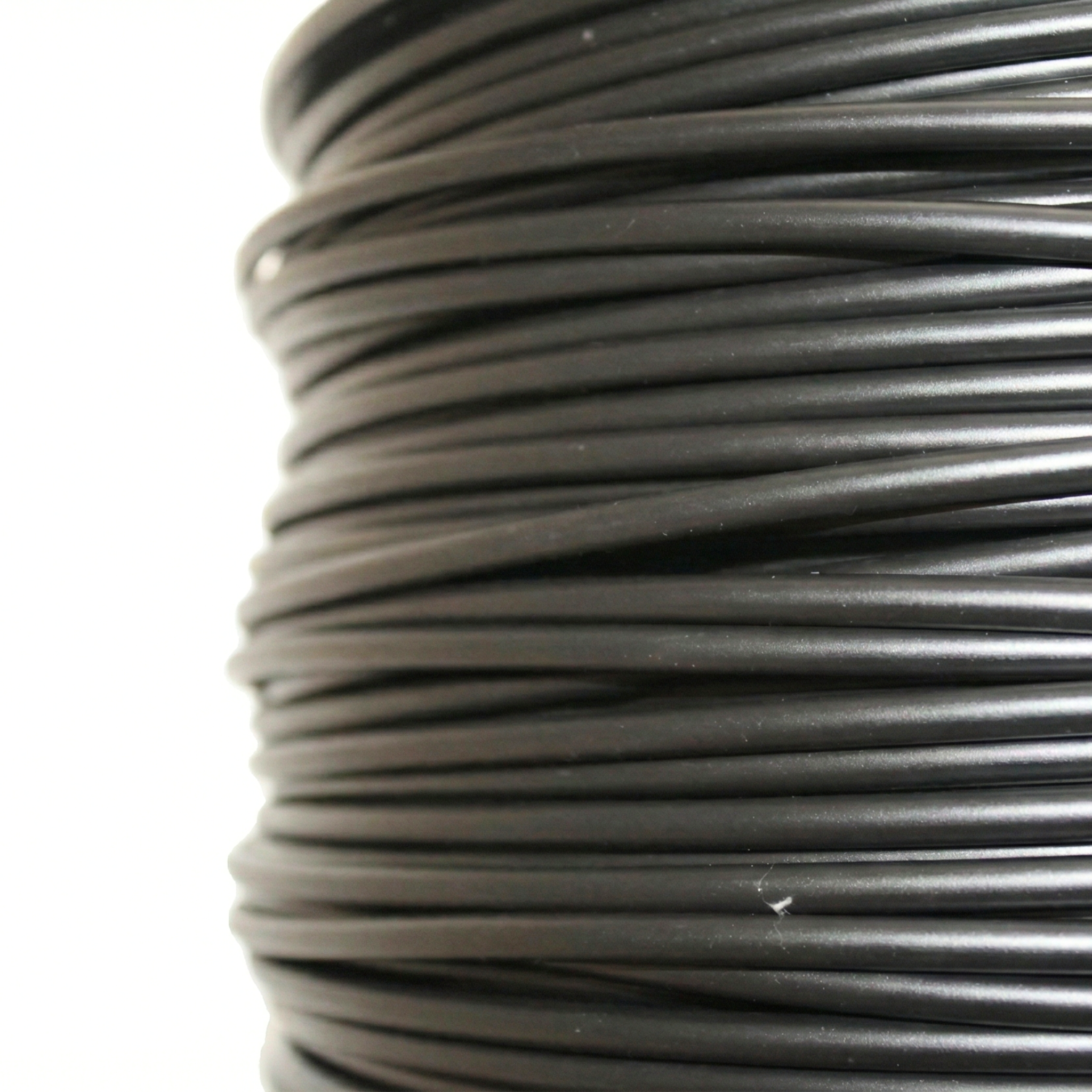
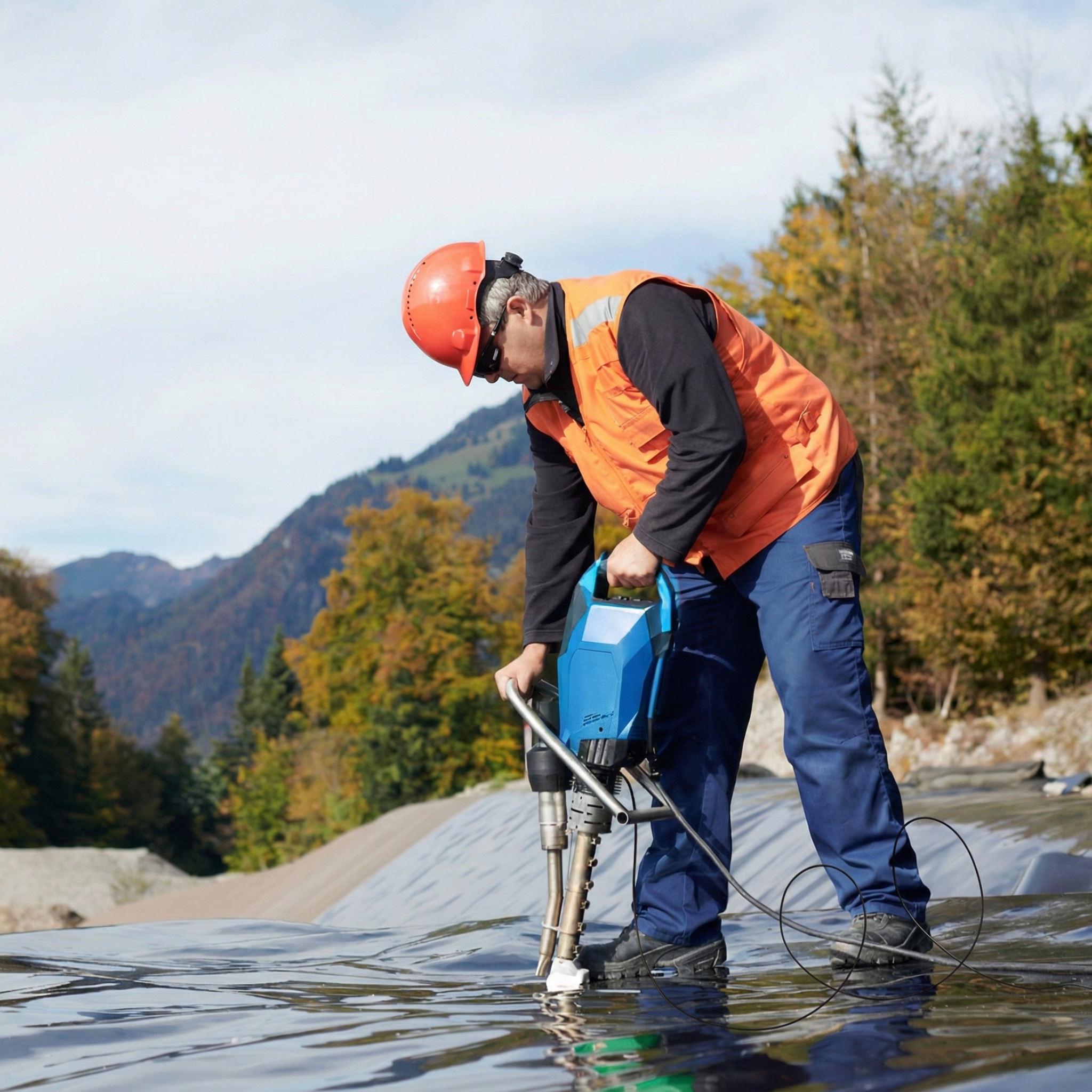
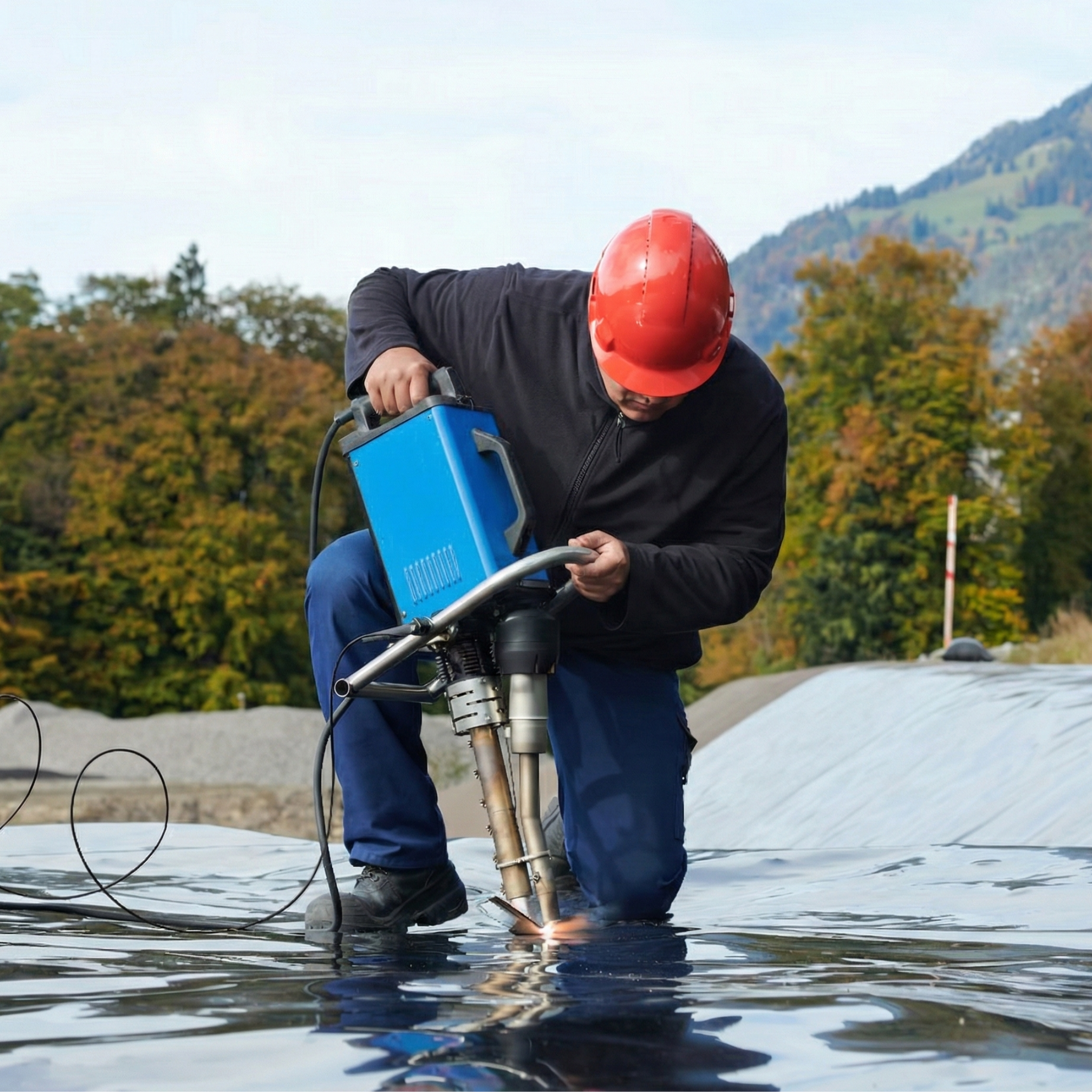


Repairing cracks in HDPE polyethylene water tanks, cisterns, and storage tanks to restore watertightness, welding geomembrane joints in auditable hydraulic works with a decades-long service life, and assembling industrial plastic containers without resorting to temporary solutions like chemical sealants that fail after months, requires virgin HDPE welding rod calibrated in diameter and composition. This HDPE welding rod —also called HDPE welding rod, HDPE filler rod, or heat fusion rod— is manufactured by MOLTEXO from virgin HDPE, 4 mm diameter, 5 kg coil, designed for professional repair and welding of geomembranes, HDPE tanks, pipes, hydraulic installations, and industrial maintenance.
Key Benefits
- Homogeneous fusion with base HDPE: the virgin rod melts uniformly with HDPE surfaces, creating a monolithic joint where the filler and base material become a single piece, a condition for watertightness and mechanical strength equivalent to the original HDPE.
- Virgin HDPE calibrated 4 mm diameter: standard diameter for manual extruders and heat guns with common welding shoes; the virgin quality prevents inclusions, bubbles, and weak spots typical of low-quality regenerated rod.
- Chemical and mechanical resistance for hydraulic works: after welding, the joint withstands typical chemical agents (mild acids, alkalis, salts), abrasion from suspended sediments, and continuous hydrostatic pressure for decades under standard operating conditions.
- Compatibility with standard welding equipment: suitable for heat guns with shoes, manual extruders, and professional heat fusion equipment; presented in a 5 kg coil sized for medium and large projects without constant replenishment.
- 5 kg coil sized for work: sufficient yield per coil for extensive repairs or metric joints in large geomembranes, a condition for reducing coil changes during continuous operation and maintaining uniform quality.
Applications and typical uses
- Repair of cracks in water tanks, cisterns, and storage tanks for water, chemicals, or industrial liquids made of HDPE.
- HDPE geomembrane joints in hydraulic works: oxidation ponds, landfills, agricultural reservoirs, treatment plants.
- Welding of HDPE pipes, fittings, and connections in pressure and gravity systems.
- Industrial maintenance: assembly of containers, deposits, agricultural equipment, and process elements made of HDPE.
Quality and durability
An economical welding rod fails in two ways: the HDPE is regenerated with inclusions, bubbles, and impurities (which leads to areas with lack of fusion and leaks after months of hydraulic operation) and the actual diameter varies significantly from the declared one (which leads to irregular feeding in the extruder and inconsistent quality welds). MOLTEXO works with verifiable 4 mm diameter virgin HDPE, which differentiates an auditable hydraulic work rod from a generic consumable that fails in critical joints with consequences of leakage and subsequent repair.
Only with high-density polyethylene (HDPE) and close compatibles such as LLDPE under specific welding design. Extrusion or hot-air fusion requires the base plastic and the filler rod to be chemically compatible so that the polymer chains intertwine when melted and form a monolithic bond. Incompatible materials where the rod will not work: polypropylene (PP), which has a different melting point and chemistry; PVC, which degrades under HDPE welding heat; ABS; low-quality LDPE; and mixed materials. Always verify that the sheet, geomembrane, or tank you are about to weld is HDPE; if in doubt, test in a less visible spot before welding the critical point.
Yes for tanks, cisterns, HDPE storage tanks, and HDPE/LLDPE geomembranes. It is the standard consumable for crack repair and watertightness restoration, and for new joints in auditable hydraulic work. Correct fusion requires: cleaning the crack of dust, organic debris, and dirt; preparing beveled edges for better penetration of the filler; heating the base zone to HDPE melting temperature (range 200-260°C depending on equipment); applying the rod by melting it simultaneously with the base material until a homogeneous bond is created. For critical hydraulic repairs, an experienced operator and post-welding watertightness tests are recommended.
Two equipment categories. For point repairs and small jobs: a plastic heat gun with reducer nozzle and a \
Yes, with durability equivalent to that of the base HDPE. Correct fusion produces a monolithic bond where the rod and the base material become a single piece, which means post-welding durability matches that of the original material. UV resistance depends on the HDPE pigmentation: black variants with carbon black offer excellent UV resistance, suitable for exposed geomembranes and outdoor tanks; white or colored variants require additional UV stabilizer for prolonged service life under the Caribbean sun. Welding does not introduce a UV weak point: the welded zone holds up just as well as the rest of the material, provided the fusion was carried out correctly.
Still have questions?
Ask us and we will gladly help you with whatever you need.
| Material | High-density polyethylene (HDPE) |
|---|---|
| Rod diameter | 4 mm (5/32 in) |
| Packaging | 5 kg (11 lb) spool |
| Rod length per spool | 430 m (1410 ft) |
| UV protection | Yes (high) |
| Coil: Width | 30.0 cm (11.81 in) |
|---|---|
| Coil: Height | 30.0 cm (11.81 in) |
| Coil: Depth | 15.0 cm (5.91 in) |
| Coil: Weight | 5.0 kg |
Payment & Security
