
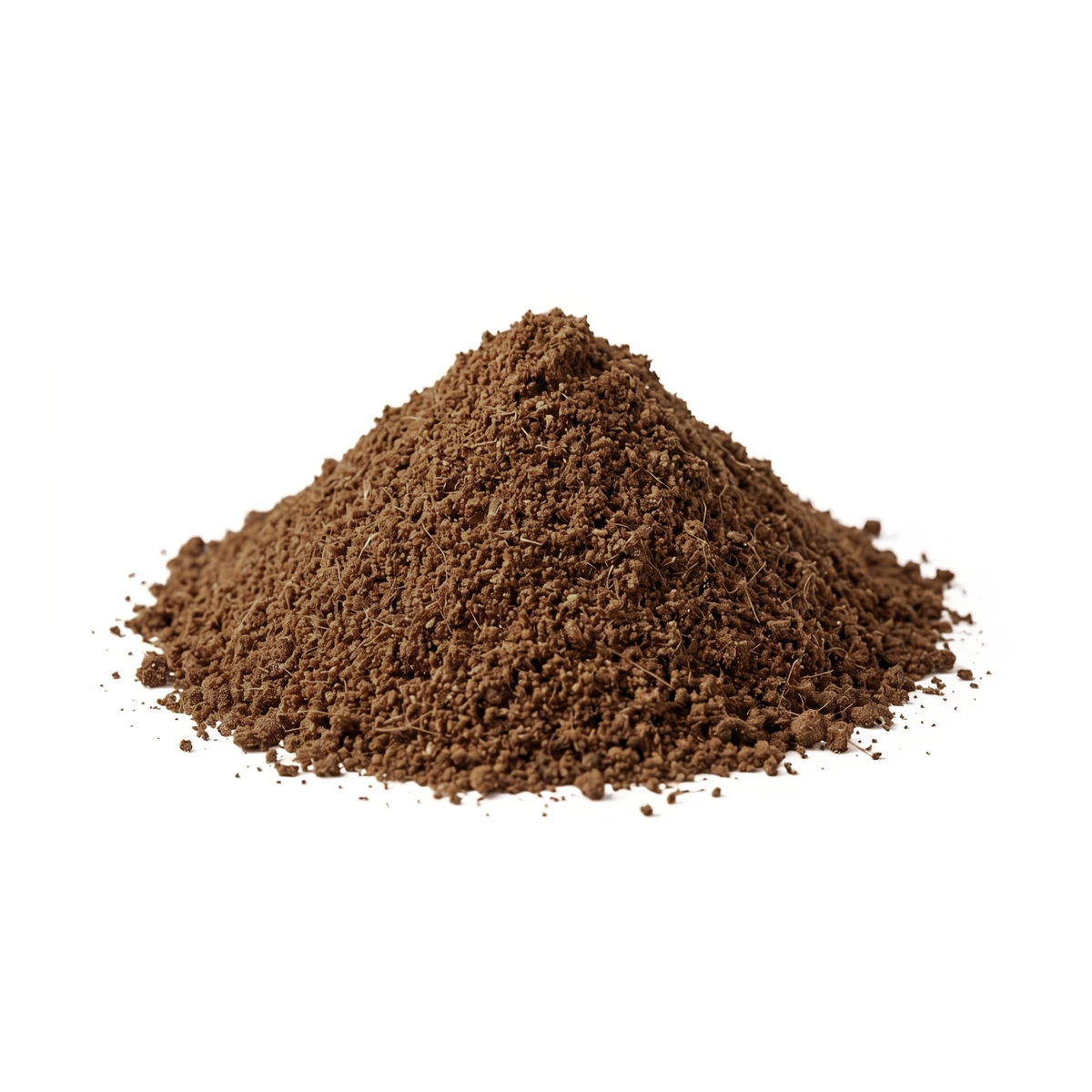
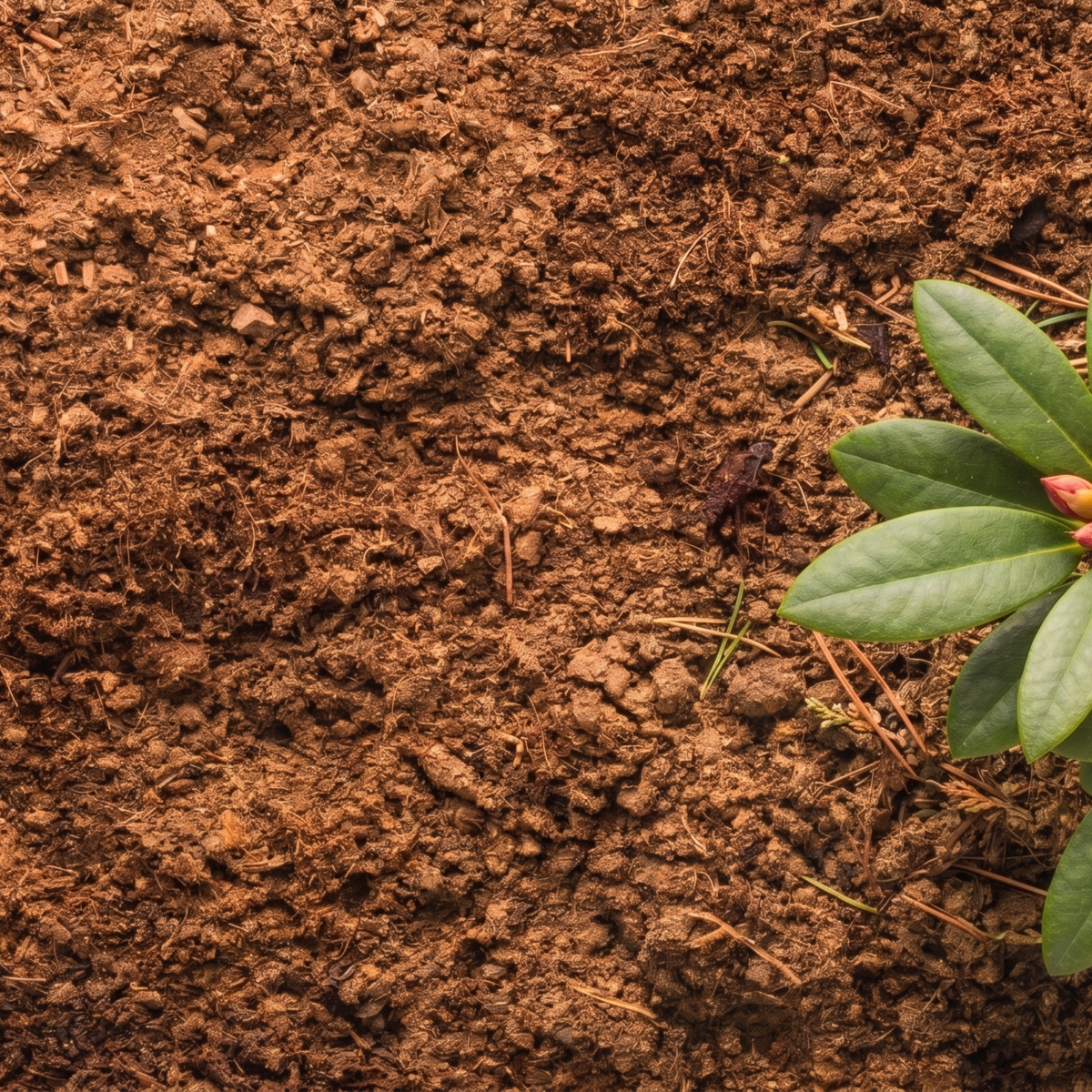


Blueberries, coffee, gardenias, and other ericaceous plants cannot be planted in just any substrate: beyond acidity, they need a coarse, highly aerated structure, because their roots suffocate as soon as the medium becomes waterlogged. This acidophilic substrate—also called substrate for ericaceous plants or natural acid peat—solves exactly that: it is Baltic sphagnum peat in a coarse 6-20 mm fraction, a growing medium in which these plants root and produce directly. It arrives with its native acid pH uncorrected, ready to receive each grower's fertilization program.
Key benefits
- Coarse structure that aerates the root: the 6-20 mm fraction, with no fines, creates the macropores that blueberry, rhododendron, or coffee roots need to breathe and not rot—this is what distinguishes this substrate from a general-use peat.
- Natural acid pH below 4.5: maintains the native acidity of sphagnum without limestone, the condition that ericaceous plants demand to assimilate iron and manganese.
- Growing medium ready to plant: used directly as the substrate for the acidophilic crop; the grower simply incorporates their own fertilization—a common reference is 100-150 g of NPK per 100 L—and adjusts irrigation.
- Premium raw material: sphagnum peat moss with organic matter above 95%, free of weed seeds, pathogens, and impurities.
- Very low electrical conductivity: EC below 0.3 mS/cm ensures that the grower's fertilization reaches the crop cleanly, with no residual salts to interfere.
Typical applications and uses
- Planting and cultivation of blueberries in raised beds, rows, or large pots.
- Growing substrate for nursery ericaceous plants: azaleas, rhododendrons, gardenias, heathers, camellias.
- Production of specialty coffee, where pH control in the root zone defines the cup profile.
- Pots and containers for anthuriums, blue hydrangeas, sensitive hibiscus, and terrestrial orchids.
- Renewal of the acidic substrate in established crops that have gradually lost acidity.
Do you need a raw material to compose your own blends or to amend soil in general? For that use, blond peat—with a medium fraction and more versatile—is the right product.
Quality and durability
Home acidification with elemental sulfur, vinegar, or aluminum sulfate works on small plots but disqualifies the professional grower: pH oscillates unpredictably between batches, salinity rises, and micronutrients become immobilized. Baltic sphagnum peat moss with a controlled H3-H6 humification grade, organic matter above 95%, and native pH below 4.5 delivers a stable, predictable acidic medium, verified in the laboratory before pressing. That traceability is what sets a commercial-grade acidophilic substrate apart from any improvised solution.
Equivalences
Equivalent to these other-brand references:
- Coarse [6 - 20 mm (0.24 - 0.79 in)] · 250 L (66 gal) bale
- Plantobalt Peat Medium 250 L (7–20 mm), acidophilic cropsSuliflor Rhododendron Substrate 250 L (6–20 mm)
Brands and references mentioned belong to their respective owners; cited only for comparison and compatibility.
Why does this substrate come without fertilizer?
Can it amend alkaline tropical soils?
How is it different from the Baltic peat in the other substrates of the catalog?
Still have questions?
Ask us and we will gladly help you with whatever you need.
| General | |
|---|---|
| Raw material | Natural acidic sphagnum peat |
| Country of origin | Lithuania |
| Physicochemical properties | |
| Fertilization | Unfertilized — the grower controls the recipe |
| Particle size | Coarse [6 - 20 mm (0.24 - 0.79 in)] |
| pH | < 4.5 (natural, no added lime) |
| Compatibility and use | |
| Usage recommendation | Add 100 - 150 g of NPK per 100 L when mixing |
| Recommended use | Blueberries, coffee, gardenias, ericaceous plants, alkaline soil acidification |
| Presentation and packaging | |
| Presentation | 250 L (66 gal) bale |
Official GARDESE warranty
What's covered
Confirmed defect: replacement or refund of the amount paid.
What's not covered
Payment & Security

